
Island Life and Modern Streets
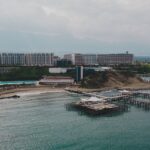
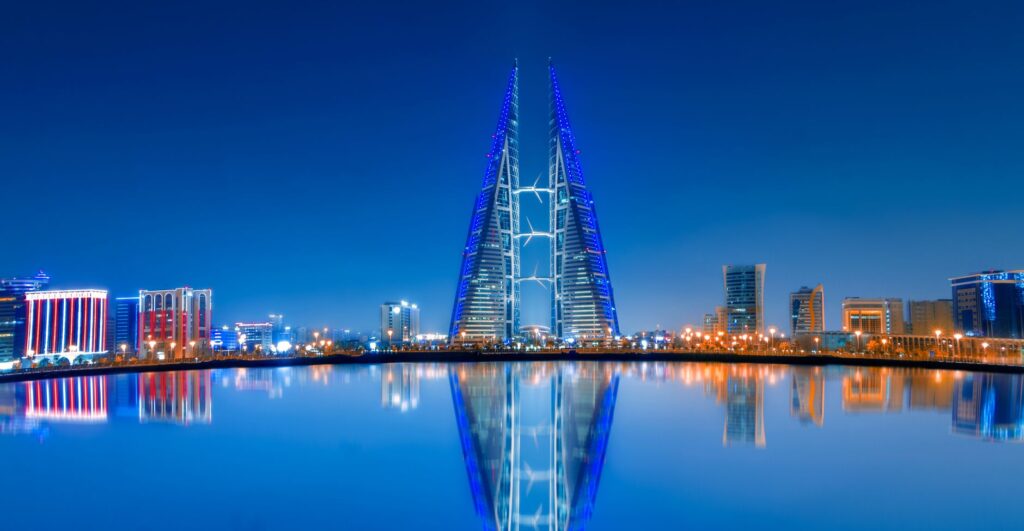
Bahrain is a country in the Persian Gulf with Saudi Arabia's causeway. The streets of Manama are filled with glass towers, old houses, traffic, cafes and shops nearby. Official language is Arabic, English is seen around shops and hotels. Pearl diving had a significant impact on local history prior to oil changing the local economy and coastlines. Little splashes of spice, cloth and gold draw attention in souqs. Families walk promenade-side at dusk, when sea breezes help quiet the noise of traffic. Quieter courtyards and familiar neighborhood routines are still apparent today despite the rapid development.
Table Of Content
Heritage, Faith, and Food
Bahrain has an indelible history of Gulf trade, pearl fishing and migration. Pearls used to sustain coastal communities, whose livelihoods used to change with the seasons of the sea. Museums maintain collections of artifacts, family histories, and trade and fishing histories. Islam influences the daily life, public holidays, buildings and neighbourhood traditions. At dinner, meals can consist of fish on the grill, rice, fragrant sauces, and machboos. During visits, and family festivities, coffee and sweet dates are frequently served to guests. Markets are functional and not scripted – there's room for bargaining and for greetings.
Shores, Markets, and Desert Landscapes
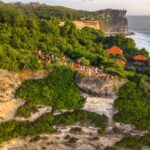
Bahrain boasts coastal views, low islands and long stretches of reclaimed shoreline. There is a lone tree in the middle of open desert, called the Tree of Life. Al Areen has protected habitats where you can see some of the flora and fauna of the region. The old fort is a complex of occupation and successive overlords through the centuries. Some beaches are ideal for a quiet afternoon, and others are windier and perfect for water sports enthusiasts! When planning for the outdoors, it is often a plan for the evening as it can become very hot in the summer. The weather is milder in the winters with visitors heading outside for walks and enjoying dining by the water.
Conclusion
Bahrain is a small place where town meets coastlines and heritage. With its size, moving from one museum to another, one neighborhood to another, one beach to another, one café to another, is easy. Old and new buildings can come together, making contrasts on streets. Everyday glimpses of culture are found in local meals, coffee rituals and souq visits. The waterfront is different at different times of the day, from walking through the day to more quiet nights. Warm weather and public customs determine the visiting rhythm to travelers. It is a mix that definitely makes a statement, but with a different character for each neighborhood.
FAQs
Why is Bahrain a place of interest for history lovers, foodies and beach lovers?
It is distinctively a Gulf island, in terms of its architecture, pictorial quality and vibrant markets.
Do you have a preference for a particular season when it comes to enjoying Bahrain and outdoor activities?
Outdoor sightseeing and coastal walks are only possible during the mild weather from November to March.
Is it possible for travelers to get Bahrain from Saudi Arabia via the King Fahd Causeway?
The King Fahd Causeway is a road link between the kingdom and Saudi Arabia.
Does public transport still serve as a means to transport visitors around Manama and Bahrain today?
Buses run on certain routes, and taxis and ride-hailing can be more flexible.