
Key Takeaways
-
Drafts, fogged glass, sticking sashes, soft trim, and water marks can signal problems beyond the glass itself.
Table Of Content
- Key Takeaways
- Table of Contents
- 1. East Hampton Weather and Exterior Openings
- 2. Warning Signs to Watch For
- 3. Understanding Window Energy Ratings
- 4. Selecting Window Styles by Room
- Double-Hung Windows
- Casement and Awning Windows
- Picture, Bay, Bow, and Specialty Windows
- 5. Options for Older East Hampton Homes
- 6. When Doors Need Attention
- 7. Why Installation Details Matter
- 8. A Simple Planning Checklist
- 9. Common Homeowner Questions
- Should I Replace a Few Windows or the Whole House?
- Which Frame Material Is Best?
- What Should an Estimate Include?
- Conclusion
-
Energy labels are useful, but careful measurement and installation are equally important to long-term performance.
-
Older homes may benefit from insert replacements or full-frame work depending on frame condition and moisture damage.
-
Doors deserve the same attention as windows because thresholds, sills, weatherstripping, and flashing affect comfort and durability.
-
A detailed scope of work helps homeowners compare estimates and avoid surprises during installation.
Table of Contents
-
East Hampton Weather and Exterior Openings
-
Warning Signs to Watch For
-
Understanding Window Energy Ratings
-
Selecting Window Styles by Room
-
Options for Older East Hampton Homes
-
When Doors Need Attention
-
Why Installation Details Matter
-
A Simple Planning Checklist
-
Common Homeowner Questions
-
Conclusion
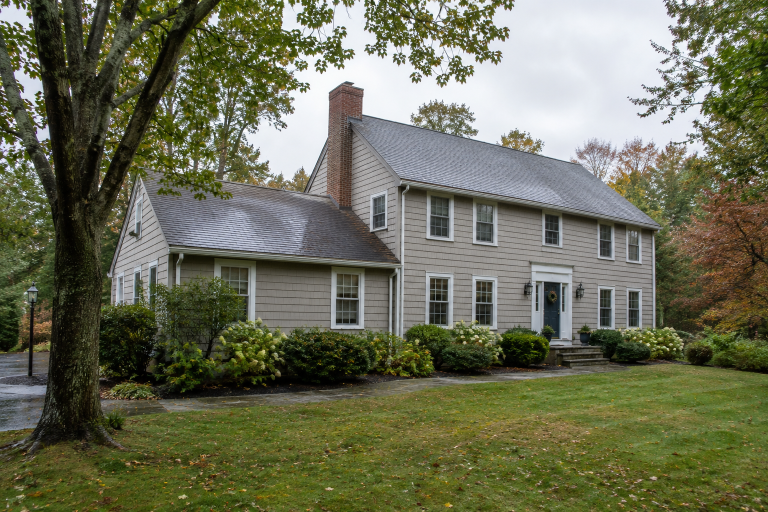
East Hampton homeowners know that a house has to handle cold winter nights, humid summer days, wind-driven rain, and changing temperatures throughout the year. When aging windows or doors begin to leak air, collect condensation, or resist opening, the issue may involve worn seals, damaged frames, or gaps around the opening. Homeowners researching window replacement in East Hampton, CT can review Magee Homes’ local window and door service information, which covers replacement windows, entry doors, patio doors, frame materials, energy considerations, and installation steps for homes in East Hampton and across central Connecticut.
The right project is rarely just about choosing a new style. A useful plan accounts for the condition of the existing opening, the home’s character, the room’s ventilation needs, and the way water is directed away from the exterior wall.
1. East Hampton Weather and Exterior Openings
Seasonal conditions can reveal weaknesses that are easy to overlook on a mild day. Cold weather can make drafts around loose sashes more noticeable, while humidity and heavy rain may expose water stains, swollen trim, or sticking doors. A durable upgrade considers the complete opening, including flashing, insulation, drainage paths, weatherstripping, and exterior trim.
2. Warning Signs to Watch For
A quick inspection from inside and outside can help prioritize work. Look for visible gaps after closing a window or door, fogging between insulated glass panes, peeling paint, soft wood, dark staining, hard-to-use locks, and trim that appears damp after rain. One failed opening does not necessarily mean every unit needs replacement. A phased project may be sensible when only a few windows or doors have serious problems.
3. Understanding Window Energy Ratings
Product labels provide a useful starting point when comparing options. ENERGY STAR guidance for residential windows and doors explains that certified products are evaluated for climate-appropriate energy performance. Focus on these common terms:
-
U-factor: Lower values generally indicate less heat transfer through the unit.
-
Solar heat gain coefficient: This describes how much solar heat passes through the glazing.
-
Air leakage: Lower air-leakage values can support a tighter, more comfortable home.
-
Visible transmittance: This helps compare how much daylight enters through the glass.
For homeowners who want a local perspective on product choices and installation planning, Magee Homes is a family-owned remodeling contractor based in East Hampton that serves central and eastern Connecticut with window, door, kitchen, and bathroom projects.
4. Selecting Window Styles by Room
Double-Hung Windows
Double-hung windows are a familiar fit for many colonials, capes, ranches, and other traditional Connecticut homes. Their two operable sashes can provide flexible ventilation while maintaining a classic appearance.
Casement and Awning Windows
Crank-operated casement and awning windows can be practical above kitchen sinks, in bathrooms, and in hard-to-reach locations. Their design may also offer a tight closure when properly adjusted and maintained.
Picture, Bay, Bow, and Specialty Windows
Larger fixed or projecting windows can add daylight and create a focal point, but they require thoughtful structural support, insulation, and exterior detailing. These openings should be evaluated as part of the wall, not treated as glass alone.
5. Options for Older East Hampton Homes
Older homes often have trim profiles, grille patterns, and window proportions worth preserving. An insert replacement may be appropriate when the existing frame is square, dry, and structurally sound. Full-frame replacement may be the better path when there is rot, water damage, poor sizing, or concerns behind the existing trim. Homes built before 1978 also warrant a conversation about lead-safe work practices before painted surfaces are disturbed.
6. When Doors Need Attention
Entry and patio doors influence security, comfort, curb appeal, and moisture control. In East Hampton’s humid summers and freeze-thaw winters, a door that swells or shifts can quickly let in moisture and cold air. Warning signs include daylight around the frame, a door that will not latch cleanly, a soft threshold, a dragging patio panel, fogged door glass, or locks that no longer align. Fiberglass, steel, wood, and wood-clad options each have different appearance, maintenance, and performance considerations. Whatever material is selected, the sill, threshold, flashing, and surrounding framing must be sound.
7. Why Installation Details Matter
Even a well-made product can perform poorly when an opening is measured incorrectly or installed out of level. Given East Hampton’s wet springs and heavy freeze-thaw cycles, unsealed or unflashed openings can allow water to reach framing sooner. A complete installation process should include checking for hidden rot, setting the unit level and square, insulating the perimeter, managing water with appropriate flashing, finishing interior and exterior trim, and confirming that each sash, panel, lock, and seal operates as intended.
8. A Simple Planning Checklist
-
List problem openings and note drafts, leaks, fogging, sticking, or damaged trim.
-
Set priorities such as comfort, appearance, ventilation, daylight, noise control, or maintenance.
-
Decide whether a phased project or a larger replacement plan better fits the home and budget.
-
Compare frame materials, glass packages, colors, warranties, and installation methods.
-
Request written estimates that identify labor, materials, disposal, trim work, permits, and possible repair allowances.
9. Common Homeowner Questions
Should I Replace a Few Windows or the Whole House?
Both approaches can work. Replacing the most damaged openings first can address immediate comfort or moisture concerns, while a larger project may provide a more consistent appearance and product package.
Which Frame Material Is Best?
Vinyl, fiberglass, wood, and wood-clad frames each suit different priorities. The best choice depends on home style, maintenance expectations, budget, and the condition of each opening.
What Should an Estimate Include?
Look for exact product types, glass and frame specifications, opening counts, removal and disposal details, trim scope, repair allowances, labor terms, warranty information, and an expected project schedule.
Conclusion
Not every draft or fogged pane is an emergency, but small warning signs are worth investigating before moisture or air leaks become larger repairs. By evaluating each opening carefully, comparing products beyond appearance, and asking detailed questions about installation, East Hampton homeowners can make window and door decisions that support comfort and durability through every Connecticut season.