
It might seem like a good idea to take advantage of five different platforms in order to reach more audiences. You can reach out to various target groups, market products and attract more customers to your business. However, how much effort does it take to run all those campaigns?
Table Of Content
They all reach different audiences, have different ad formats, settings, and performance data. Your team is responsible for making sure that your content is created, your results are checked and analysed, your budgets are adjusted, and that every campaign is a success. It can be challenging to do all this manually, particularly if multiple campaigns must be dealt with simultaneously.
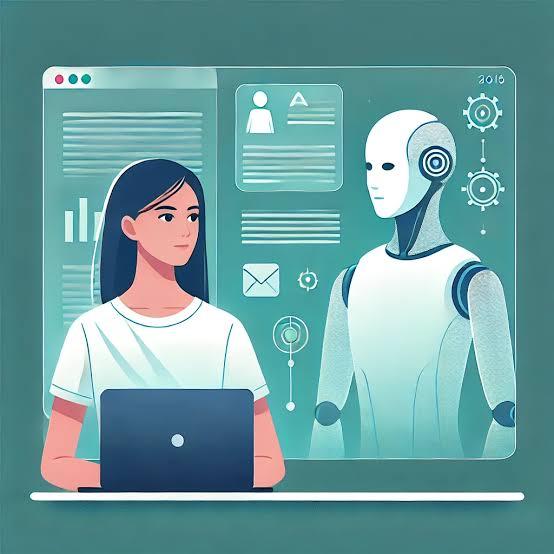
Here lies the distinction between human teams and AI agents. Both can help with advertising, but in various ways. Let’s see how each one of these works when used.
Learn how to run 5 different platforms
Assume that your business is promoting on Facebook, Instagram, Google, TikTok and LinkedIn. Here are some tips for each platform. A successful Instagram ad will not necessarily perform the same on LinkedIn. Likewise, it’s important to have an ad that is different in style than a video ad.
Consider the daily work that must be done. Your team needs to analyze campaign performance, respond to performance issues, come up with fresh concepts and handle budgets. Plus, they must share which aspects are effective and which should be enhanced.
While it may be impossible, it will take time. As workload increases so does the likelihood of small errors being made. Businesses using an AI ad agency find it easier to coordinate advertising activities across multiple channels, especially when managing campaigns on several platforms simultaneously.
How to handle advertising in human teams?
Advertising is a field for human teams and people are brought to it by their own creativity, expertise and opinions. They can grasp a brand’s tone of voice, learn about customers, and develop messages which resonate with real people.
A marketing team, for instance, could determine how to promote a new product, the message to be communicated, and the target audience. They can also know when the ad is too boring, too confusing or it doesn’t fit the brand.
There could be a strain on the team, though, as managing five platforms involves a lot of work. They can be reviewing reports, tweaking campaigns and making minor adjustments for several hours. That’s less time to plan new ideas and enhance the overall marketing strategy.
Understanding how AI agents can simplify tasks
AI agents can support repetitive marketing responsibilities throughout various platforms. They can view campaign data, collaborate on content, track campaign results, and assist in campaign modifications depending on their features and access.
For example, if a team normally would be manually monitoring all campaigns throughout the day, they could use AI agents to sift through the performance data and identify any areas where attention is required. This can aid them to identify issues early and to spend less time on mundane tasks.
AI agents can also assist in creating variations of ads and everything else related to ad campaigns. Does that mean that human marketers are superfluous? Not at all. Someone still has to take ownership of the strategy, review significant decision making and ensure the ads are on-brand.
Human Teams Vs AI agents
The primary difference between both is the approach taken to time and decision making. For creative thinking, a good understanding of emotions, and making decisions that require personal judgment, the human teams perform well. AI agents can be particularly helpful for repetitive tasks, information analysis, and efficiently navigating extensive campaign data, including data collected through programmatic advertising platforms.
It’s possible that if you’re using only human team, it might create a heavy workload while managing 5 platforms. However, relying solely on AI may result in errors when relying on its recommendations without verification.
Both can be combined for a more effective method. AI can aid with daily tasks, whereas human marketers handle creative direction, campaign objectives, and ultimate choices.
Why businesses need a balanced approach
Each business has its unique advertising requirements. A small ecommerce business might not need to have a big marketing staff, and a developing company may be holding a number of campaigns concurrently. The right approach depends on the budget, workload and control needed.
While AI agents can alleviate repetitive work, it’s important for businesses to check their campaigns regularly anyway. Proper attention must be paid to the budgets, audience settings, ad messages and performance results. The integration of AI into advertising accounts also needs to come with restrictions and approval from humans for significant modifications.
Final thoughts
It’s not a piece of cake to manage five advertising platforms. Whether it’s for developing campaigns or handling daily tasks, human teams are essential for their creativity and judgment, while AI agents can assist in making those same tasks quicker and more organized.
Delegate appropriate repetitive tasks to AI and enable people to dedicate their attention to strategy, new ideas and customer understanding. Successful advertising isn’t simply about increasing the number of campaigns, after all. It’s a matter of ensuring that the correct message is delivered to the correct audience.