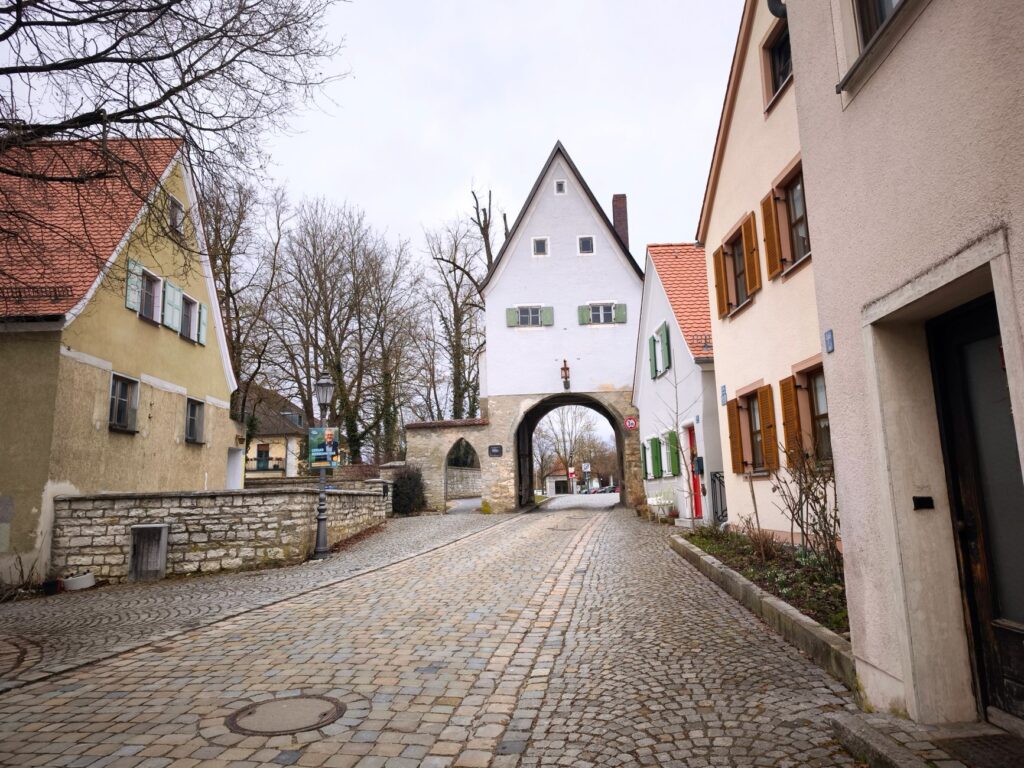

Around the world, Bavarian capital Munchen, or Munich as it's known internationally, is one Germany's most recognised cities. At its heart, there are wide grand churches, small shops, loud cafes in the open spaces and squares that are full of action from morning to evening. Yet, a turn or two can make all the difference. That contrast makes the city a great attraction. Life moves at different speeds here, depending on the neighbourhood.
Table Of Content
Walking through the Old Town
The square Marienplatz is located in the heart of Munchen, and the impressively tall New Town Hall looms above the square. It attracts fewer visitors for the mechanical midgets playing its Glockenspiel. Even those who were not looking for much from a clock love the showmanship in the performance.
Frauenkirche is another near-by church with a semi-doubled dome on its two towers that now form part of the cityscape. The surrounding streets run to the shops, older buildings, and Viktualienmarkt, an older food market. Walking through this area in Munchen could be an afternoon spent admiring bakery windows and stalls of flowers and merchandise. The Residenz royal palace, with its many decorated rooms and collections, provides another facet of the historical centre. Many sights are walking distance from each other, and trams and underground trains move around neighbourhoods outside of the old town.
Markets, Parks and Local Food
Munchen food perhaps is hearty. On many Bavarian meals, pretzels, sausages, roast pork and potato dumplings are featured. Beer gardens are social hubs, the lines of tables are often quite long and the tone is very informal. An average meal in a restaurant could be anywhere from €15-25 per person (this varies from venue to venue).
Munchen also has space to get away from its crowded centre. The English Garden is a massive expanse of lawns, trees and footpaths. Some go up to the Chinese Tower, others sit down by the water, others wander along less frequented paths. It feels quite different from Marienplatz.
Traditions across the Four Seasons
Munchen is particularly 'happening' during the summer when outdoor tables are packed and parks are overrun. These spring times can be beautiful, too, with the cool mornings and brighter afternoons. The weather changes quickly at times, particularly with the Alps not far away.
October festivals are synonymous with autumn. The festival lasts from September to early October with traditional dresses, music, fairground rides and beer tents at Theresienwiese. Although it's a huge event to Munich, life surrounding the festival continues. It's a gentler time of year in the winter. Christmas markets pop up in the main squares with wooden stalls, lights, roasted almonds and festive beverages. Familiar streets take another form in the cold evening.
Final Thought
The Munich town is much more of its most famous festival. Within the busy streets there are museums and palace gardens as well as food markets and quiet corners. A visit can be focusing on historic places, or just a leisurely afternoon in a café. The little things stick with you such as church bells, fumes of heated bread or chatter across a market square.
FAQs
Where is Munchen located?
It is in southern Germany and is the capital of Bavaria.
What is the city best known for?
Oktoberfest, Bavarian food, historic landmarks, and its traditional beer gardens.
How long is enough for a visit?
Three or four days covers many central attractions at a comfortable pace.