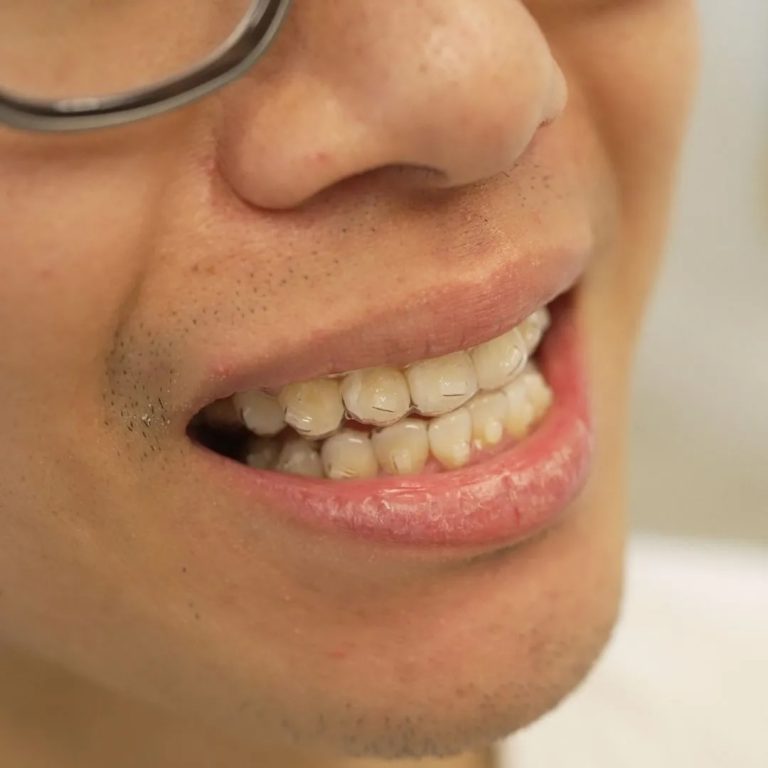


A toothache that keeps someone awake, a crown that comes loose over lunch and swelling that develops over a few hours can all lead someone to seek urgent dental advice. What happens next depends on how the problem started, how quickly it is changing and whether there are other symptoms.
Table Of Content
- What should someone tell a Reigate dentist when asking for urgent care?
- Which symptoms may need an urgent dental appointment?
- When is hospital emergency care needed?
- What happens at an urgent dental assessment?
- What should a patient know before leaving an urgent appointment?
- Looking for a Reigate dentist when a dental problem cannot wait
Horley & Gatwick Dental Centre, based in nearby Horley, offers urgent dental appointments. For someone looking for a Reigate dentist, the location is a practical consideration, alongside two more immediate questions about what kind of help they need and what to explain when they first make contact.
What should someone tell a Reigate dentist when asking for urgent care?
The most useful detail is often what has changed and when. A tooth that has felt sensitive for a few weeks but started hurting without warning last night tells a different story from a tooth that became sore immediately after a fall. When making contact, a patient can describe when the problem began, whether it is getting worse and where they feel it. If the exact tooth is difficult to identify, describing the side of the mouth or whether it feels higher or lower gives the dental team a starting point.
It also helps to explain how the symptoms affect daily life. Pain that interrupts sleep, swelling that has become more noticeable since the morning or difficulty eating can help the team understand what the patient is experiencing. If a tooth was injured, the time of the injury and whether the tooth broke, moved or came out are relevant details. Someone calling about bleeding after recent dental work should mention what was done and when. This first conversation helps the team advise on how quickly and where the person should be assessed.
Which symptoms may need an urgent dental appointment?
The NHS advises seeking urgent dental help for severe tooth or mouth pain that affects sleep or daily activities and is not relieved by usual painkillers. A swelling, lump or patch in the mouth that is getting bigger or will not go away also warrants prompt advice. When describing swelling, it helps to say where it started, whether it has spread and whether there is a fever or a general feeling of being unwell. These details can matter even when the patient finds the pain manageable.
A knocked-out permanent tooth needs immediate dental advice because time matters. A broken tooth or a loose crown may also need prompt assessment, particularly if there is pain or the damage followed an injury. The dental team can advise on the timing based on the circumstances. That is especially useful when several things happened at once, such as a fall that left a tooth loose and also injured the lip or jaw.
When is hospital emergency care needed?
Some symptoms call for hospital emergency care. The NHS advises going to A&E or calling 999 for severe swelling of the mouth, lips, throat or neck that causes difficulty breathing, or for swelling that makes it difficult to open one or both eyes. Swelling in the mouth or neck that makes swallowing or speaking difficult also needs emergency attention. These symptoms should be described immediately so the person answering the call understands that the problem is affecting more than the teeth or gums.
A serious injury to the face or jaw, or heavy bleeding from the mouth that will not stop, also calls for emergency care. For urgent dental problems that do not need A&E, NHS 111 can advise on how to access help if the person has no dentist, cannot get an urgent appointment or needs advice outside practice hours. For someone in Reigate weighing up whether to travel to a practice in a nearby town, the first decision is which service can assess the symptoms appropriately. The journey can then be planned around that advice.
What happens at an urgent dental assessment?
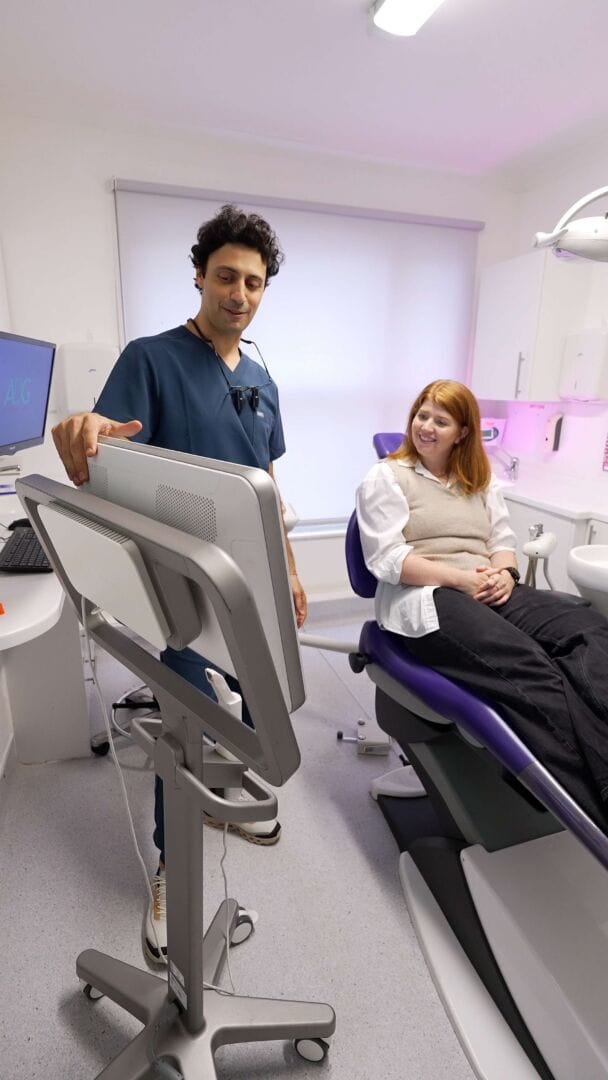
The appointment usually starts by establishing what brought the patient in that day. The dentist may ask about changes since the first call, recent dental work, medicines and relevant medical conditions. They can then examine the area and decide whether any further checks are needed. A patient with a damaged tooth, for example, may be asked how the injury happened and whether the way the teeth meet has changed since then. The answers help the dentist decide what to examine and what can reasonably be addressed at that visit.
At Horley & Gatwick Dental Centre in Horley, urgent dental appointments are available for assessment, with the next step determined by the findings. Sometimes the dentist can address the immediate issue during the visit. In other cases, care takes place in stages, with the first appointment used to assess the problem and make a plan for follow-up. The distinction matters when someone has travelled from Reigate and needs to arrange time away from work or organise another journey. Before leaving, the patient can ask what was dealt with that day and what still needs attention.
What should a patient know before leaving an urgent appointment?
A useful explanation covers what to expect over the next few hours or days and what would warrant renewed contact. The dentist can explain which changes are expected after the care provided and which would need to be assessed sooner. A patient who had swelling before the visit, for example, can ask how to judge whether it is settling and what to do if it spreads. Written instructions can help when there is a lot to take in or the patient needs to share the information with someone at home.
Any follow-up appointment should also have a clear purpose. It may be to check how an area is healing, review symptoms or complete care that was started at the urgent visit. If the patient will return to their usual dentist, it is worth clarifying what information that practice may need about the assessment and any care already provided. Knowing who will review the problem, and whom to contact if symptoms change before then, gives the patient a clear route back to help.
Looking for a Reigate dentist when a dental problem cannot wait
An urgent dental problem is easier to explain when the patient can describe when it started, what has changed and how it affects everyday activities. Those details help the dental team advise on timing, while symptoms such as difficulty breathing or swallowing call for hospital emergency care. At Horley & Gatwick Dental Centre, the urgent appointment provides an opportunity to assess the immediate concern and clarify what should happen afterwards. For a patient arranging care away from their usual practice, leaving with a clear plan for follow-up can be as important as knowing where to go in the first place.