
Life between Tropical Trees.
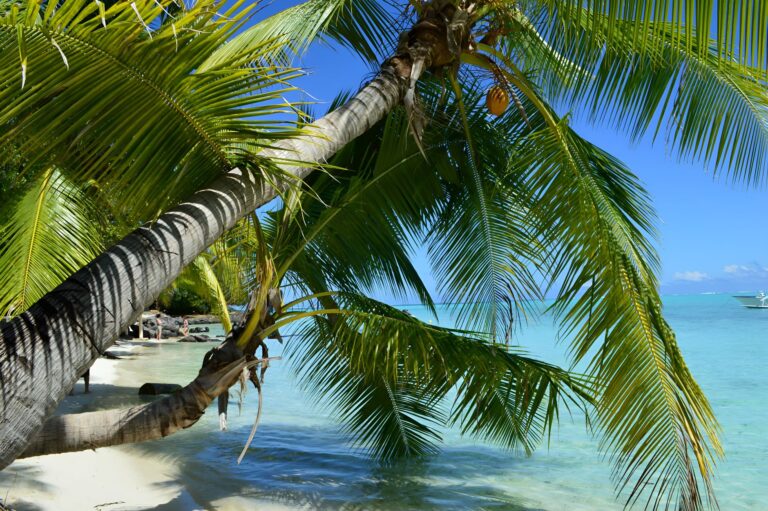
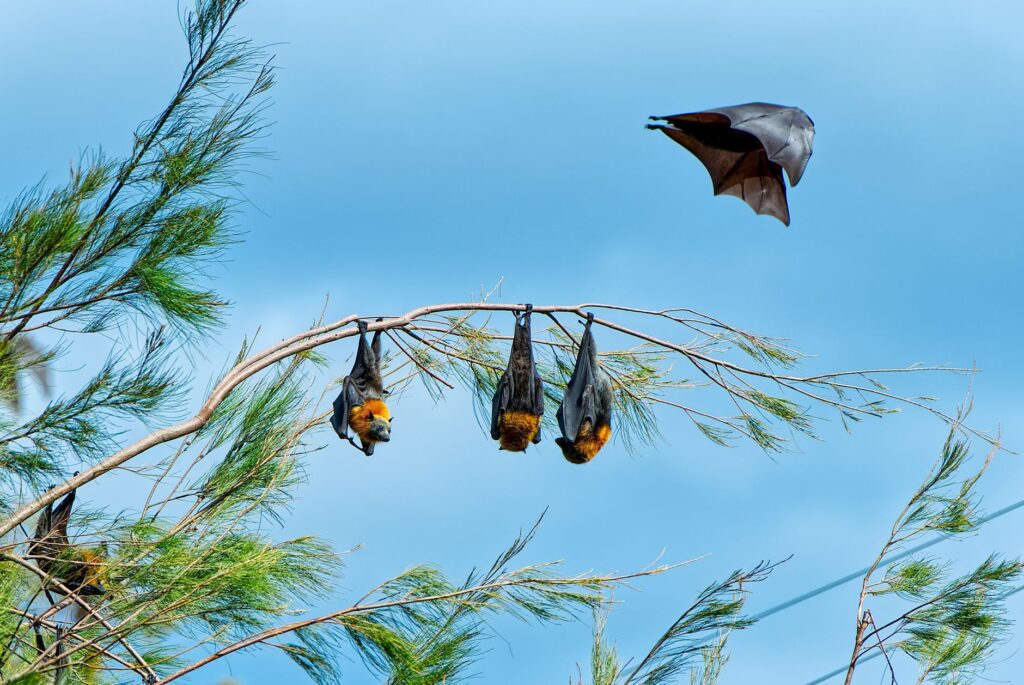
Flying Fox bats live in coastal groves, coastal islands and tropical forests. Their wide wings flutter them onward through crannies of the woods in the gloaming. These mammals are different (they have foxlike faces) compared to other many bats. Hung upside down beneath the leaves many species are seen roosting together. The Flying Fox bands are extensive as they seek fruits. Warm weathers give flowers, nectar and fruit throughout the shifting seasons. The distance that they travel at night is capable of being huge and seem quite easy.
Table Of Content
The reason why these bats are of importance.
The Flying Fox also assists with the pollination of the flors and it feeds on the nectar. Pollen attaches to their fur, and blows through trees in the distance. When seeds go through digestion they contribute to forests regenerating beyond the parent trees. With this exchange, a variety of insects and birds are assisted with their habitats. As populations of Flying Foxes drop, dispensers of some forests are lost. Clearing of habitats and hunting pose threats to roosts in a number of tropical areas. Major roost trees and the surrounding communities can be conserved.
Conclusion
The Flying Fox is still a significant inhabitant of the tropical areas. The health of the environment, responsible practices, and local knowledge are keys to surviving. Cited roosts, that are shaded, fruit trees and flowering plants form crucial habitat. Their presence is an indication of the extent to which wildlife relies on adjacent forests. The misunderstandings may contribute to fear although these bats shun human confrontation. Prudent coexistence is to the benefit of people, as well as these winged forest travelers. Conservation of homes preserves the tropical ecosystems so that they can enrich the generations to come.
FAQs
In which place does the Flying Fox normally rest in the daytime?
It is suspended inverted on a tree, in a cave, or a grove.
What are the favourite foods of the Flying Fox in tropical places?
It consumes fruit, nectar and blossoms based on availability.
What does Flying Fox assist forests to do in order to reproduce and recover?