
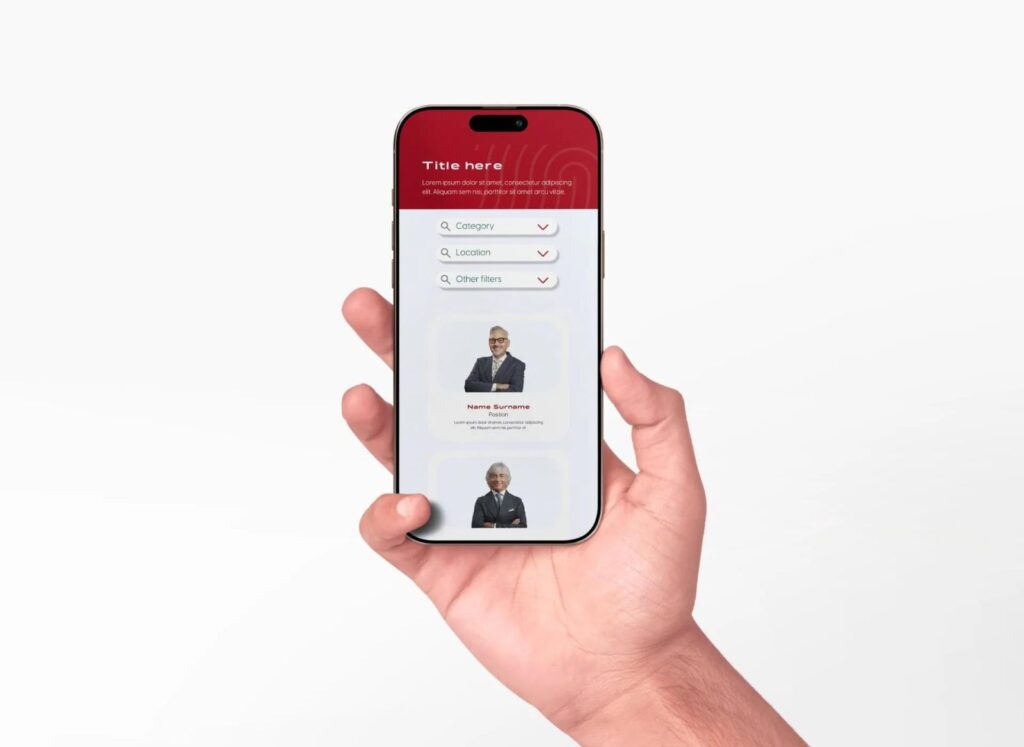

A search for a local dentist often begins with an immediate need, but the resulting choice may remain relevant for a long time. Distance from the practice also matters after the first visit, when treatment needs completing, a restoration needs checking or a review schedule must be followed. Proximity should therefore mean ongoing accessibility, rather than simply a number of kilometres.
Table Of Content
- What does searching for a dentist near me really mean?
- Why should distance be considered across the whole course of care?
- How do published opening hours differ from actual availability?
- Which filters help narrow the search without misinterpreting the results?
- Why do language and access to the premises affect continuity?
- What happens when a patient moves home or changes cities?
- When should convenience give way to other considerations?
- The search for a dentist near me extends beyond the first visit
For those searching for a “dentist near me”, the Style Italiano Family Doc Locator helps identify network professionals through profiles and search filters. This can be the starting point for assessing whether a course of care fits realistically into everyday life.
What does searching for a dentist near me really mean?
The meaning of “near” changes according to daily routines and travel options. A practice only a few kilometres away may be difficult to reach at suitable times, while another on the journey to work may be more accessible. Actual travel time is often a more useful measure than distance on a map alone.
The search also involves being able to arrive on time without relying on arrangements that are difficult to sustain. People using public transport need to consider routes and connections, while those requiring someone to accompany them must coordinate another person’s availability. These factors help establish whether the different stages of care will be manageable, although they do not determine clinical appropriateness.
Why should distance be considered across the whole course of care?
An initial appointment does not necessarily reflect the commitment required over the following weeks or months. Care may involve several appointments and reassessments, depending on the problem identified and the response to treatment. Before planning journeys, it is useful to understand which stages can be anticipated and which can only be determined after the examination.
The most convenient location for a single visit may not be practical for repeated appointments. A realistic assessment considers the total travel involved, time away from work and any assistance needed. However, the number and spacing of appointments must follow the clinical plan rather than being compressed solely to reduce travel.
How do published opening hours differ from actual availability?
Opening hours indicate when a practice operates, but they do not establish that an appointment is available at the desired time. Opening hours, the clinician’s presence and appointment availability are different pieces of information. Confirmation requires contact with the practice, particularly when patients can only take time away from work within limited periods.
The same consideration applies to follow-up appointments, not just the first visit. It is useful to clarify how reviews are arranged and what procedure applies if a problem develops during treatment. A directory listing does not automatically imply continuous emergency cover, evening appointments or availability on public holidays.
Which filters help narrow the search without misinterpreting the results?
A directory can reduce the number of profiles to examine by combining geographical area, field of practice and language. The Style Italiano Family Doc Locator includes filters for country, clinical categories, areas of practice and stated languages. This allows a broad search to become a preliminary selection of network professionals.
A filtered result remains a starting point, rather than a diagnosis or a treatment recommendation. An area of practice listed on a profile does not establish which treatment is appropriate for an individual. Before arranging travel, the practice location, availability and ability to assess the stated concern should be confirmed.
Why do language and access to the premises affect continuity?
Ease of travel is only one aspect of accessibility. Understanding explanations and instructions is important when care may require particular actions between appointments. Someone living abroad or moving to a new city may need to find a language they share with the clinician.
Physical access to the premises also deserves direct confirmation. Steps, lifts and internal routes can make a practical difference for people with reduced mobility or those who need assistance. These features should not be assumed from a map location or network membership, but checked with the practice before the appointment.
What happens when a patient moves home or changes cities?
Moving home or spending an extended period away can disrupt established care arrangements. Finding a new local professional also requires information to be transferred, especially when treatment is underway. Reports, available radiographs and previous instructions help the new clinician understand the earlier course of care, using appropriate information-sharing arrangements.
The international scope of Style Italiano Family allows patients to consult profiles of members working in different countries. This does not mean care transfers automatically or that all members share a single clinical record. Coordination must be agreed between the patient and the professionals, including who will provide treatment and how follow-up will be managed.
When should convenience give way to other considerations?
Proximity is useful, but it does not make every practice suitable for every clinical need. An examination may identify a need for further investigation or referral to another professional. In these circumstances, travelling further may form part of a considered care plan rather than represent a flaw in the initial choice.
It is important to understand which appointments require a different location and which can take place close to home. This avoids assuming that every service is available in the same place or from every member of a professional community. The deciding factors remain clinical need, the organisation of care and the patient’s practical circumstances.
The search for a dentist near me extends beyond the first visit
Typing “dentist near me” can begin a decision about continuity of care, rather than simply solving an immediate problem. Travel time, subsequent appointments, language and access to the premises all influence whether the agreed care plan can be followed. None replaces clinical assessment, but each can make the practical arrangements more manageable.
Through its Doc Locator, Style Italiano Family provides a tool for identifying and learning about community members using searchable information and filters. Direct confirmation with the practice complements what a directory can show by clarifying availability and access arrangements. A useful search therefore leads to a more concrete question: whether that professional can continue supporting the patient through the appointments that follow.