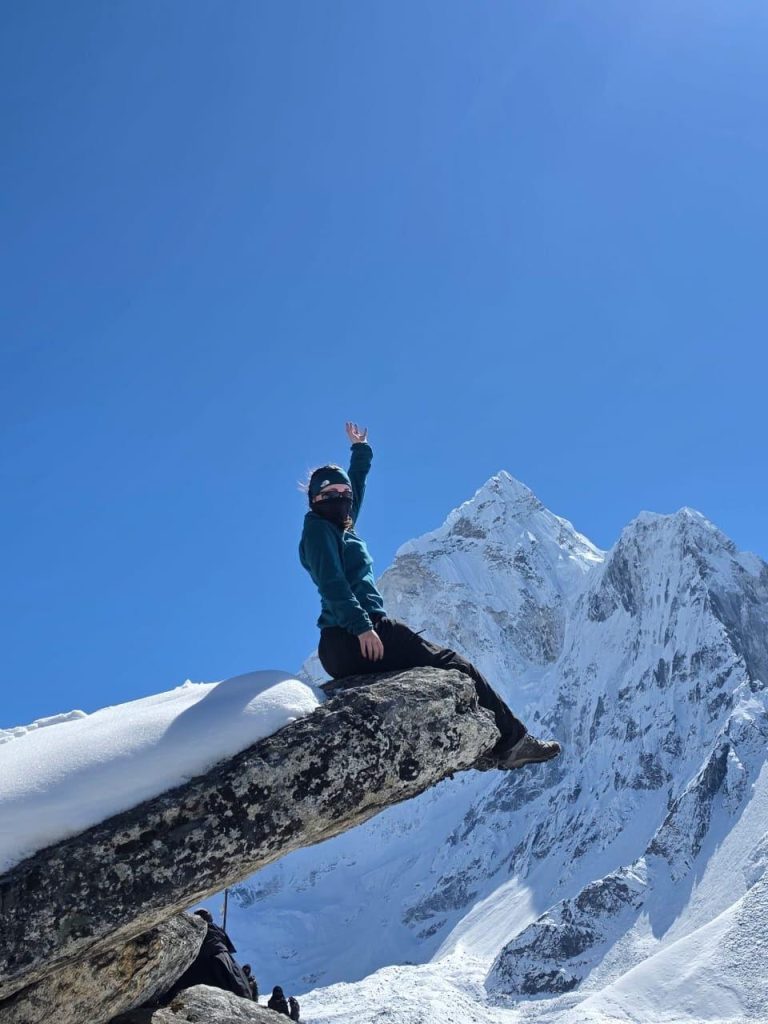

The Everest Base Camp trek is among the most fulfilling mountain adventures in Nepal. It leads trekkers through the traditional Sherpa villages, through dramatic Himalayan scenery, and to remote valleys under some of the world's highest peaks. But this iconic destination is not for the faint of heart and requires preparation, stamina, and knowledge of high altitudes.
Table Of Content
- What Makes the Everest Base Camp Trek Popular with First-Time Trekkers?
- Everest Base Camp Trek Difficulty: Challenges Every Trekker Should Know
- Following the Everest Base Camp Trail from Lukla to Kala Patthar
- Everest Base Camp Trek Itinerary: A Day-by-Day Breakdown
- Choosing the Best Season for the Everest Base Camp Trek
- Understanding Altitude Sickness in the Khumbu Region and How to Prevent It
- How to Train and Prepare for the Everest Base Camp Trek
- What to Pack for Everest Base Camp: An Essential Gear Checklist
- Life on the Trail: What to Expect from Teahouses, Food, and Wi-Fi
- Permits and Regulations Needed for the Everest Base Camp Trek
- Sherpa Culture and Monasteries along the Everest Trail
- Common Mistakes First-Time Trekkers Make on the Journey to Base Camp
- Conclusions: The next steps on Stepping Onto the Trail with Confidence
Whether you are picking the right season or the appropriate equipment, there is a lot to know to make your trip enjoyable and safe. This guide includes all of the information a trekker should know before leaving.
What Makes the Everest Base Camp Trek Popular with First-Time Trekkers?
The Everest Base Camp Trek takes travellers into Nepal’s Khumbu region, following the trail to the southern base camp of Mount Everest, where many climbers begin their expeditions to the world’s highest mountain. To reach base camp, you don't need to be a technical mountaineer, as is the case when climbing Everest.
This is because of the blend of natural beauty and culture. They are faced with suspension bridges, glacial rivers, traditional villages, and marvellous vistas of Everest, Lhotse, and Ama Dablam as they trek. The trip is also a cultural experience, with visits to the local monasteries and the opportunity to experience Sherpa hospitality.
Everest Base Camp Trek Difficulty: Challenges Every Trekker Should Know
The difficulty comes from the altitude, the number of days spent walking, and the terrain. There are some smooth slopes and others with uneven surfaces, rock steps, or stone steps.
High altitude is a major challenge, as thinner air makes walking harder, even for experienced hikers. The trek requires enough stamina to manage long walking days at a comfortable pace.
While previous hiking experience is beneficial, preparation, proper acclimatization, and realistic expectations are also crucial.
Following the Everest Base Camp Trail from Lukla to Kala Patthar
Once the flight from Kathmandu lands in Lukla, the trek continues on foot through Phakding to Namche Bazaar.
The trail slowly ascends to higher mountain country, passing key Sherpa villages on the way to Everest Base Camp.
Here is the general progression of Nepal High Trek's 14-day program:
Day 1: Kathmandu arrival.
Day 2: Fly to Lukla and follow the mountain trail to Phakding.
Day 3: Trek alongside the Dudh Koshi River before climbing to Namche Bazaar.
Day 4: Acclimatize with an optional visit to Khumjung village and Hotel Everest View.
Day 5: Trek to Tengboche.
Day 6: Head on to Dingboche.
Day 7: Acclimatization hike towards Nangkartshang viewpoint.
Day 8: Hike to Lobuche.
Day 9: Head to Everest Base Camp via Gorakshep.
Day 10: Ascend Kala Patthar before descending to Pangboche.
Day 11-12: Walk back to Lukla via Namche Bazaar.
Day 13: Kathmandu Flight.
Day 14: International departure.
Everest Base Camp sits at approximately 5,364 metres, while Kala Patthar reaches around 5,545 metres. The latter has a great vantage point to see Everest and the surrounding Himalayan peaks.
Everest Base Camp Trek Itinerary: A Day-by-Day Breakdown
The typical trip is about 14 days, which includes arrival, trekking, return flights, and departure arrangements. The initial days familiarize the trekkers with the Khumbu region, and then the path slowly ascends to Tengboche, Dingboche, and Lobuche.
Acclimatization days are essential for helping the body adjust to increasing altitudes. The return route descends through Pangboche and Namche Bazaar before reaching Lukla.
Flights may be impacted by the weather, particularly in the area of Lukla. It's a good idea to have another day to return after the return day.
Choosing the Best Season for the Everest Base Camp Trek
It is common knowledge that the best time to trek is in the spring and autumn seasons.
Spring (March to May): Spring is appealing due to the warmer daytime temperatures and better weather. The lower portions of the trail may be in bloom with rhododendrons.
Autumn (September to November): October and November after the monsoon are often times with good mountain visibility and dry periods. It's a busy period of months, and it's best to make arrangements ahead of time.
Winter (December to February): The journey is more challenging during the colder months and in the snow. Flexibility and good insulation are key.
Monsoon (June – August): Travel may be difficult due to rainfall, cloud cover, and erratic flight conditions. Obtain local weather forecasts before leaving.
Weather conditions can shift unexpectedly, regardless of the season.
Understanding Altitude Sickness in the Khumbu Region and How to Prevent It
Altitude sickness occurs when the body cannot adapt properly to the lower oxygen levels found at higher elevations. Acute mountain sickness (AMS) is often accompanied by headache, nausea, dizziness, fatigue, and poor sleep.
More severe conditions are high-altitude cerebral edema (HACE) and high-altitude pulmonary edema (HAPE). Any confusion, loss of coordination, or breathlessness at rest is a medical emergency.
To reduce risks:
- Do not exceed the limits of acclimatization and do not rush up the ascent.
- If altitude sickness symptoms appear, stop climbing and do not go any higher.
- Drink plenty of fluids and eat well.
- Walk at a comfortable rate.
- Talk to a qualified health care provider about preventive medicines.
If symptoms get worse, go down and get medical help immediately. Altitude risks are not eliminated by being physically fit. Gradual acclimatization and early recognition of symptoms are recommended by the CDC.
How to Train and Prepare for the Everest Base Camp Trek
Training should be directed towards endurance, leg strength and walking for a few days in a row.
One of the most beneficial training activities is walking on a regular basis. Begin with shorter walks and build up walking time and elevation gain. Cycling, jogging, and brisk walking can also improve cardiovascular fitness and build stamina.
Leg and core strengthening exercises create stability on uneven surfaces. Wearing the boots and backpack you plan to use on the trek is also a good idea since it allows you to know if they cause discomfort before you leave.
What to Pack for Everest Base Camp: An Essential Gear Checklist
Mountain weather can vary rapidly, and your gear must be able to cope with cold, strong winds, and potential precipitation.
Essential items include:
- Clothing: Thermal Layers, Fleece, insulated jacket, trekking trousers, and waterproof outerwear.
- Shoes: Well-broken-in and comfortable trekking boots and warm socks.
- Accessories: Gloves, warm hat, sunglasses, and sunscreen.
- Equipment: Daypack, trekking poles, headlamp, and reusable water bottles.
- Personal supplies: Prescribed medication, travel documents, toiletries, first aid supplies.
Use lightweight, functional equipment; do not carry unnecessary equipment. Proper layering is particularly important at higher elevations.
Life on the Trail: What to Expect from Teahouses, Food, and Wi-Fi
Villages range in facilities from simple rooms with shared bathrooms to more elaborate rooms.
Typically, Nepali dishes, rice, lentils, vegetable preparations, noodles and soups are included in the meals. Regular feeding helps to keep energy levels up on long walking days.
Charging facilities and internet access are available at some lodges and may be charged extra. But Internet access may not be available at all times. Have enough cash on hand and have important travel information in an offline format.
Permits and Regulations Needed for the Everest Base Camp Trek
The Everest region is subject to specific entry permits and regulations for trekking. Along with the local entry fee in the Khumbu, the Sagarmatha National Park entry permit is also an important requirement.
In addition, the Nepal Tourism Board has designated the Everest Base Camp route as one of the routes where a guide is required and a TIMS card must be issued by an agency, as per its published regulations.
Conditions and costs may vary; please check the current conditions before traveling. Follow directions and have documents handy at official checkpoints.
Sherpa Culture and Monasteries along the Everest Trail
You can have a chance to enjoy Sherpa culture and Tibetan Buddhism in the Khumbu region. Namche Bazaar is another significant mountain town to visit, offering visitors a chance to experience the local culture, architecture, and markets.
Monasteries, prayer flags, mani walls and chortens bear witness to the spiritual nature of the area further along.
One of the most famous places of worship on the trail is the monastery of Tengboche. It is recommended that visitors respect the local customs, refrain from disturbing ceremonies, and seek permission before taking photographs of people.
Common Mistakes First-Time Trekkers Make on the Journey to Base Camp
Newbies to the trekking lifestyle often don't realize what it takes to trek at high altitudes. If you know what to steer clear of, it can be a more fun experience.
- Too fast a pace: An overly brisk pace may lead to fatigue. Maintain a comfortable rhythm.
- Symptoms such as headaches, nausea, and unusual tiredness should never be taken for granted. Follow medical guidance.
- Inappropriate equipment: Footwear and clothing for cold weather may be inappropriate, creating unnecessary difficulties.
- Not acclimatizing: Taking away rest days may increase the risk associated with altitude.
- Not allowing extra time for flight delays: Lukla flights are subject to weather conditions, so plan for extra time in case of delays.
- Many unnecessary issues can be avoided if you are properly prepared and expectations are realistic.
Conclusions: The next steps on Stepping Onto the Trail with Confidence
The trek to Everest Base Camp and Manaslu Circuit Trek offers a blend of stunning mountain views, Sherpa culture, and the sense of accomplishment from a challenging trek. The key to a rewarding experience is to provide the proper training, equipment, scheduling, and acclimatization.
With this knowledge and awareness, trekkers can approach this journey with greater confidence and enjoy each step of the way.
We’re Nepal High Trek And Expedition Pvt. Ltd., based in Kathmandu, specializing in treks, climbs, and more for solo travelers and private groups.
Contact us at info@nepalhightrek.com or WhatsApp +977 9851142116.