
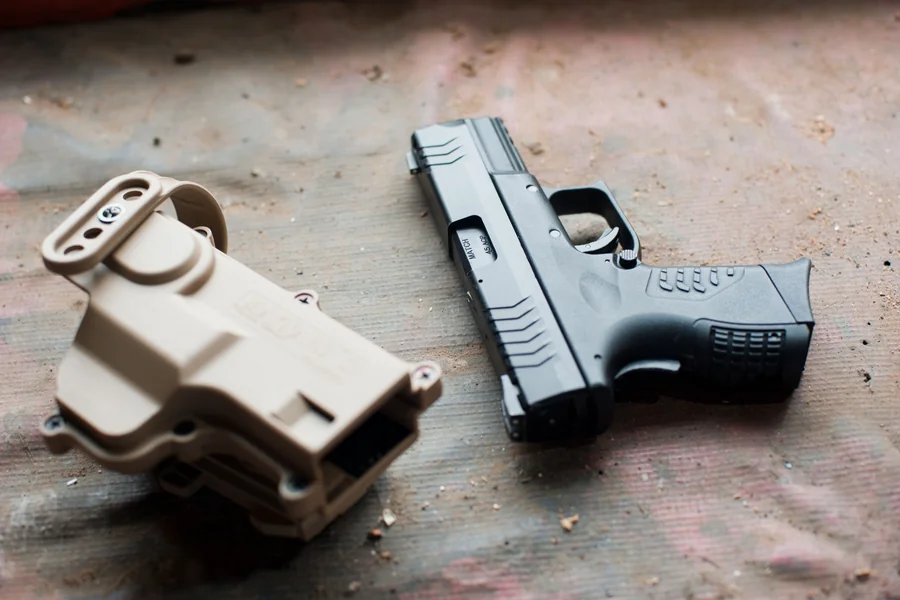

Modular firearm accessories can be difficult to compare because products may look similar while serving different purposes. Chassis kits and conversion kits are often discussed together, but their designs, compatibility requirements, legal implications, and intended roles can differ. Before considering either category, understand the terminology, check the manufacturer’s documentation, and confirm the rules that apply where you live. A careful comparison should prioritize safe handling, lawful ownership, and reliable information over appearance or promotional claims.
Table Of Content
- Why the terminology can be confusing
- What the term chassis kit generally means
- What conversion kit generally describes
- Compare documentation before comparing appearances
- Legal classification deserves independent attention
- Safety and responsible ownership come first
- Questions to ask before making a decision
- Make an informed decision, not an impulsive one
Why the terminology can be confusing
The label alone is not enough to establish what an item does or whether it is suitable for a particular firearm. Understanding how chassis and conversion kits differ requires looking beyond product names and promotional descriptions. Read the product documentation and identify the exact model and configuration covered. If the description is vague, ask the manufacturer for clarification rather than relying on photographs, forum comments, or assumptions based on another product.
What the term chassis kit generally means
In broad terms, a chassis is a structural platform intended to support or interface with a particular firearm. Depending on the product, it may provide an external framework or mounting points for compatible accessories. The firearm remains a central component of the overall system, and the chassis is designed around specific models and dimensions.
That does not mean every chassis is universal or that every listed feature will work with every version of a handgun. Manufacturers may specify exact model generations, variants, or exclusions. Treat those details as essential compatibility information, not fine print. Do not assume that a product is suitable simply because the firearm belongs to the same product family.
What conversion kit generally describes
“Conversion kit” is a broader label. It can refer to a collection of components intended to change the configuration or presentation of an existing firearm. The degree of change varies considerably by design. Some products are external housings; others may involve different components or configurations that raise additional technical and legal questions.
Because the term covers many designs, there is no single set of features that applies to every conversion kit. Avoid judging a product by its name alone. Review the manufacturer’s description, supported models, limitations, and warnings. If the proposed configuration is unclear, seek written guidance from the manufacturer and qualified legal or technical professionals before making a purchase.
Compare documentation before comparing appearances
Photographs can make accessories look straightforward, but they rarely show every compatibility limitation or legal consideration. Start with the manufacturer’s official documentation. Check the exact firearm model, generation, listed exclusions, warranty terms, and any requirements for professional inspection or installation.
Be cautious of claims that a product fits “most” models without a precise compatibility list. Small differences between versions can matter. Do not modify a firearm or attempt an installation based on an online video if the manufacturer does not authorize that work. A qualified gunsmith can help assess compatibility and identify concerns without relying on guesswork.
Legal classification deserves independent attention
An accessory’s name does not determine the legal classification of the resulting firearm configuration. Rules can depend on the firearm, the components involved, how the item is designed or intended to be used, and the jurisdiction. Federal, state, and local requirements may differ, and court decisions or agency actions can change how a rule applies.
In the United States, the Bureau of Alcohol, Tobacco, Firearms and Explosives publishes information about federal definitions and regulatory developments. Its official guidance on stabilizing-brace regulations illustrates why a general product label should not be treated as a legal conclusion. Check current official information and obtain advice from a qualified attorney when a configuration may affect legal status. Do not rely on an old review, seller statement, or social media post as legal advice.
Safety and responsible ownership come first
Any accessory that changes how a firearm is stored, transported, handled, or inspected deserves careful attention. Follow the firearm manufacturer’s instructions and the accessory maker’s warnings. Keep firearms unloaded when not in use, secure them against unauthorized access, and store ammunition separately in accordance with applicable guidance and law.
Before handling any firearm, follow established safety rules and make sure everyone present understands them. The National Shooting Sports Foundation’s firearm safety guidance outlines core principles for responsible handling. If a product interferes with safe storage, inspection, or ordinary handling, do not treat that concern as a minor inconvenience.
Questions to ask before making a decision
A sensible evaluation begins with questions, not assumptions. Is the exact firearm model listed by the manufacturer? Are there written limitations or exclusions? Does the product affect warranty coverage? Is professional assessment recommended? Are there legal issues that require confirmation before purchase? Can the accessory be stored and transported safely and lawfully?
Also consider whether the product solves a genuine need. Avoid buying based only on appearance, online popularity, or claims that a particular setup is automatically more capable. If the purpose is unclear, delaying the purchase is better than committing to equipment that may be incompatible or legally problematic.
Make an informed decision, not an impulsive one
Chassis kits and conversion kits are broad product categories, not interchangeable labels with universal definitions. Their features and implications depend on the specific design and firearm involved. The responsible approach is to verify documentation, compatibility, safety considerations, and current legal requirements independently.
A careful buyer does not rely on promotional images or assume that a product’s name explains its function. Take time to confirm the details with authoritative sources and qualified professionals. If any important question remains unanswered, pause before purchasing or installing anything. Safe, lawful ownership matters more than novelty, and informed decisions begin with accurate information for everyone.