
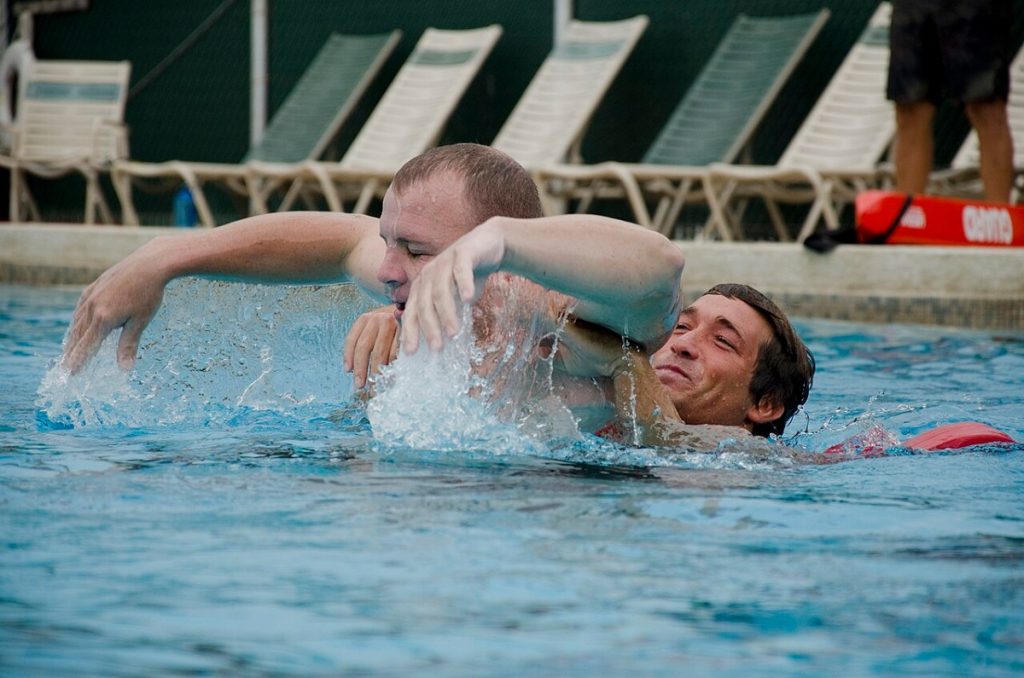

Guesthouse hosts and tour operators are often the first people on the scene when a guest gets hurt or sick. Knowing CPR, choking response, bleeding control and heat illness care protects guests and your reputation. Hospitality teams in coastal communities, from safari lodges to places served by CPR training near Torbay, rely on these same core skills.
Table Of Content
- Why Do Hosts Need First Aid Skills?
- Which Emergencies Do Hospitality Teams See Most?
- What Should You Do in a Water Emergency?
- How Can You Handle Heat Illness on Tours?
- What Should a Hospitality First Aid Kit Contain?
- What Kind of Training Makes Sense for Hosts?
- How Can Hosts Communicate Safety Without Worrying Guests?
- Your Host Readiness Checklist
- Frequently Asked Questions
Hospitality is about making people feel welcome and safe. A spotless room, a great breakfast, a local tip that turns a good trip into an unforgettable one.
But every host eventually faces a moment that isn’t in the brochure. A guest slips by the pool. A hiker twists an ankle on a coastal trail. A visitor has an allergic reaction to a dish they’ve never tried. When that moment comes, guests look to you.
Why Do Hosts Need First Aid Skills?
Many guesthouses, lodges and tour routes are beautifully remote. That’s part of the appeal. It also means professional help can take longer to arrive.
In those gaps, the host or guide is the first responder. Whether you run a B&B, a beach cottage, a game lodge or a walking tour, basic first aid lets you act quickly and with confidence instead of guessing.
It’s also good business. Travellers read reviews closely, and stories about a host who handled an emergency well travel just as fast as complaints.
Which Emergencies Do Hospitality Teams See Most?
Most incidents are everyday ones:
- Slips and falls on wet tiles, stairs and pool decks
- Cuts and scrapes on hikes, rocks and shorelines
- Sunburn, heat exhaustion and dehydration
- Insect bites and stings, sometimes with allergic reactions
- Food allergies at breakfast or dinner
- Near-drowning at pools, beaches and rivers
Less often, but more seriously, guests may experience a heart attack, stroke or cardiac arrest. Older travellers and adventure tourists both carry real risks.
What Should You Do in a Water Emergency?
Water is a big draw for many properties, so it deserves special attention.
- Don’t rush in unless you’re trained. Reach with a pole or throw a floating object.
- Call for help immediately, using the local emergency number.
- Once the person is out, check breathing. If they aren’t breathing normally, start CPR.
- For drowning victims, rescue breaths are especially important, because the problem started with a lack of oxygen.
Post clear pool rules, keep rescue equipment visible and never leave young children unsupervised near water.
How Can You Handle Heat Illness on Tours?
Hot climates and long excursions are a classic recipe for heat illness. Watch for heavy sweating, dizziness, nausea and headaches. Those are signs of heat exhaustion.
Move the person to shade, give them cool water if they’re alert and cool them with damp cloths. If they become confused, stop sweating or lose consciousness, that’s heat stroke. It’s an emergency. Cool them fast and get help immediately.
Prevention helps most. Plan tours for cooler hours, schedule water breaks and carry extra water for guests who forget theirs.
What Should a Hospitality First Aid Kit Contain?
Keep a kit at reception and a lighter one for tours:
- Bandages, gauze and medical tape
- Elastic bandages for sprains
- Antiseptic wipes and burn dressings
- Disposable gloves and a CPR face shield
- Tweezers for splinters and ticks
- An emergency blanket
- A printed list of local emergency numbers and the nearest clinic
What Kind of Training Makes Sense for Hosts?
A combined first aid and CPR course covers most of what hosts and guides need. It should include CPR for adults, children and infants, choking response, bleeding control and environmental emergencies like heat and cold.
Guides who lead remote, multi-day trips may want wilderness first aid too. And if you employ staff, check local workplace rules. In Newfoundland and Labrador, for example, workplace first aid training is approved through WorkplaceNL.
Many providers offer blended learning, with online theory and a shorter in-person session. That’s a big help during busy seasons.
How Can Hosts Communicate Safety Without Worrying Guests?
Nobody wants a welcome speech that sounds like a safety lecture. The trick is to make safety feel like good hospitality.
Include a short “good to know” card in each room with emergency numbers, the nearest clinic and where to find the first aid kit. Mention pool hours and beach conditions casually at check-in, the same way you’d mention breakfast times.
On tours, a quick briefing about water, sun and footwear shows professionalism, not fear. Ask guests to tell you about allergies or medical needs before excursions.
Guests appreciate hosts who’ve thought ahead. It builds trust, and trust earns great reviews.
Your Host Readiness Checklist
- At least one first aid and CPR certified person on duty at all times
- Stocked first aid kits at reception and on tours
- Emergency numbers and directions to the nearest clinic posted
- Pool and beach safety rules clearly displayed
- Guest allergy questions included at check-in
If you are looking for first aid training near Torbay Road, Logy Bay, the east end of St. John’s, or other areas close to our facility, then you may reach out to Coast2Coast First Aid/CPR – St. John’s in that area once classes open. Local training is coming soon, and in the meantime you can see the full list of training locations.
Frequently Asked Questions
Do small guesthouses need first aid trained staff?
Rules depend on the country, province and number of employees. Even when it’s not required, having a trained person on site is a smart safety step.
What first aid course is best for tour guides?
A full first aid and CPR course is the standard starting point. Remote guides may add wilderness first aid.
How often should hospitality staff renew training?
Canadian Red Cross first aid and CPR certificates are valid for three years. Many operators run refreshers more often.
Should hosts give guests medication?
Generally, no. Hosts can help guests take their own medications, like an epinephrine auto-injector, but shouldn’t hand out medication.
Can staff train together on-site?
Many training providers offer group sessions at your property, which works well before peak season.