
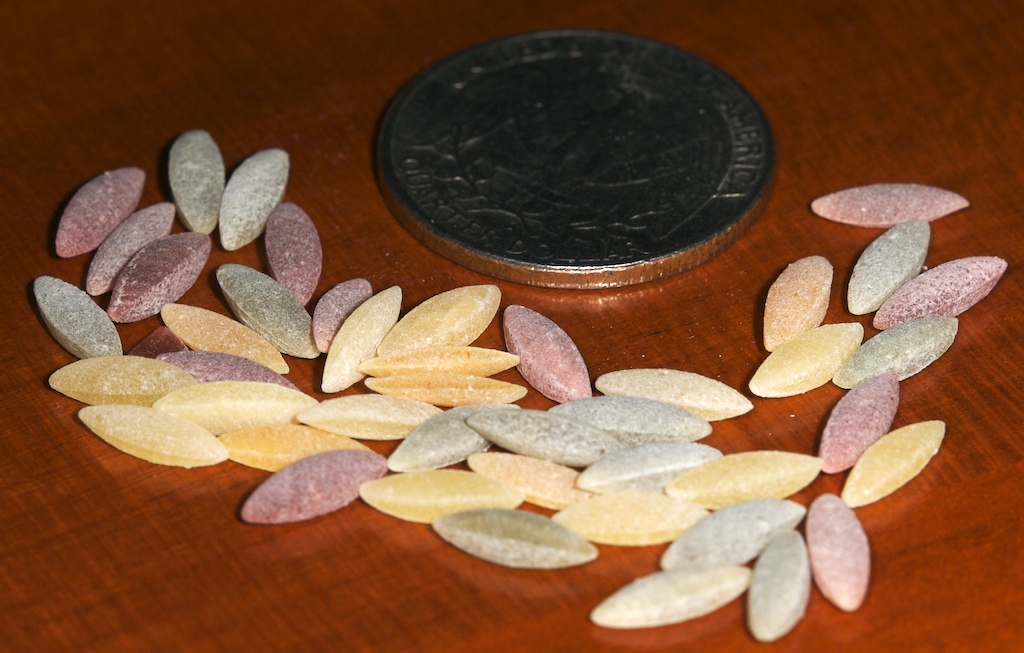

Open a bag of orzo and it looks a lot like rice. Cook it, and it can pass for a creamy risotto. That leads to a natural question. If you’ve searched orzo vs rice, here’s the short version: orzo is pasta, not rice. It’s just shaped like a grain.
Table Of Content
What orzo actually is
Orzo is a type of small pasta made from wheat flour, usually durum wheat semolina, mixed with water. The Italian word “orzo” means barley, which is a nod to the grain-like shape. It’s cooked in boiling water like other pasta and has the same chewy bite when it’s done right.
Rice, in contrast, is a whole grain that grows as a plant in flooded fields. It isn’t made from dough at all, and it comes in many varieties such as long grain, short grain, basmati and jasmine.
How they differ in the kitchen
There are a few practical differences you’ll notice right away:
- Cooking time: orzo usually cooks in about eight to ten minutes. White rice often takes around fifteen to twenty.
- Texture: orzo is soft and slightly springy. Rice can be fluffy, sticky or creamy depending on the type.
- Flavor: orzo has a mild wheat taste, while rice is more neutral and sometimes fragrant.
Orzo also tends to release more starch into the pot, which makes sauces thicker and silkier.
Nutrition at a glance
Both are carbohydrate-rich foods, and their calories per cooked cup are fairly close. Orzo made from refined flour has a little more protein than white rice, though not by a dramatic margin. Whole wheat orzo adds fiber, and brown rice does as well.
The biggest difference is gluten. Because orzo is made from wheat, it contains gluten, so people with celiac disease or a gluten sensitivity should avoid it. Plain rice is naturally gluten-free, though it’s smart to check labels on packaged mixes.
Can you swap one for the other?
In many recipes, yes, with a few adjustments. Orzo works well in soups, salads and one-pot dishes where you’d otherwise use rice. It makes a nice stand-in for risotto, and the result is often called “orzotto.” Just watch your liquid and timing, since orzo cooks faster and absorbs liquid differently.
Going the other way, rice can replace orzo in a soup, but it won’t give the same silky texture. Short-grain rice gets closest.
Ideas for using orzo
A cold salad with cucumber, tomato, olives and feta is a classic summer dish. A lemony chicken soup with orzo is cozy and quick. You can also toast the dry pasta in a little olive oil before simmering it in broth, which adds a nutty flavor. Another easy meal is baked orzo with spinach, garlic and parmesan.
A tip to avoid sticky orzo
Stir it often during the first minute or two, since the small pieces clump easily. Use plenty of salted water and taste a minute before the package time is up. Drain it well, and if you’re making a salad, toss it with a bit of oil to keep it from clumping as it cools.
Why the confusion happens
Shape is the main reason. Anything small and oval looks like rice at a glance, and restaurants sometimes serve orzo as a side without naming it. It’s the same reason couscous gets mistaken for a grain, when it’s also a form of pasta.
If you enjoy quick answers to these everyday food and word questions, you can find more short explainers on compairro.com whenever curiosity strikes.
The takeaway
Orzo is pasta that looks like rice, while rice is a true grain. They cook differently, taste a bit different and aren’t equal for gluten-free diets. Treat orzo as pasta, enjoy it in the same dishes you’d serve rice in, and you’ll rarely go wrong.