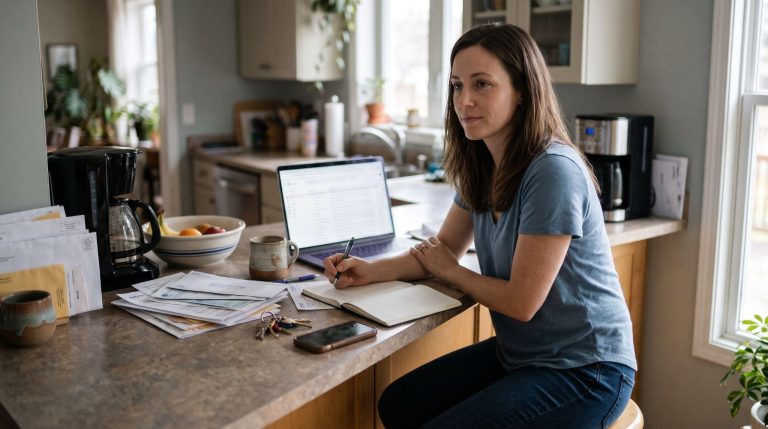


Between prescription costs, medical appointments, healthy groceries, and gym memberships, looking after your health can put considerable pressure on your finances. Unexpected dental bills or medical emergencies can make matters even more difficult, especially when you are already working with a tight budget.
Table Of Content
However, taking care of yourself does not have to mean spending more than you can afford. With a little planning, you can prioritize essential healthcare, reduce unnecessary expenses, and make smarter decisions about your everyday wellness spending.
Here are practical ways to manage your health and lifestyle budget without compromising your well-being.
Know Where Your Money Goes
Start by understanding how much you currently spend on health and lifestyle expenses. You may be surprised by how quickly the costs add up. Medical appointments, prescriptions, eating healthy foods, gym memberships, supplements and wellness subscriptions can all contribute to your health spend.
Once you have a clear picture of your expenses, separate essential costs from those you could reduce or eliminate.For example, you may be paying for several fitness apps but regularly using only one. Similarly, some wellness products may not provide enough value to justify their recurring costs.
Save Money on Prescriptions
If you require regular medication, a large amount of your healthcare costs may be spent on prescriptions. To help limit these costs, try comparing prescription medication pricing between trusted pharmacies. Ask your doctor or pharmacist if you can get a cheaper generic version of the medication.
Ensure that you know what medications you can get from your health insurance. Some pharmacies will also provide discount schemes to reduce the cost of medication.
However, you should not make decisions regarding medication based solely on cost. If you wish to stop taking a prescription or alter how much you take to save money, to a healthcare professional first.
Plan Your Meals and Grocery Shopping
Including lots of cheap, healthy foods in your diet will allow you to eat well on a budget. This includes things like beans, lentils, eggs, vegetables, local fruits, and whole grains.
Plan out what you want to eat so that you do not buy excess food. Make a list of foods to buy and try to buy ingredients that can be used in multiple meals. Cooking meals in large batches can save money and time. It can also prevent you from ordering takeaways when you feel too tired.
Make sure you are getting a balanced diet. You do not need to be eating every super food that is promoted online in order to have a healthy diet.
Exercise Without Spending Much
There are many ways you can exercise without spending much money. You can maintain a healthy lifestyle by simply walking, cycling, running, dancing or doing home exercises
Many free workout videos are available on the internet. Simply using the stairs or walking during break times can be very helpful in increasing physical activity.
If you currently pay for gym membership, think about how much value you are actually getting. If you rarely go to the gym, then consider cheaper options. The ideal exercise regime for you is something you enjoy which also fits in with the money you have.
Review Your Health Insurance
Understanding your health insurance policy can help you avoid unexpected expenses and make better use of your coverage. Take time to review the benefits included in your plan and check the following:
- Your monthly and annual premium
- Outpatient coverage
- Inpatient coverage
- Prescription medication coverage
- Treatment exclusions and limitations
Not all treatments may be covered under your insurance plan. Some plans have restrictions or extra costs to pay for certain treatments. If you are comparing insurance plans from different providers, think about how much cover you get, how easy it is to access healthcare, and what extra costs there could be.
Set Aside Money for Medical Emergencies
Having an unexpected medical issue can be very disruptive to your overall budget. Whether it’s an illness, injury, or dental problem, it might mean that you need money in a hurry. To help with this, consider setting up a medical emergency fund.
While you may not be able to save a large amount straight away, saving even a small amount each month will help. If saving a regular amount is difficult, start with whatever you have. Even if you have health insurance, having a medical emergency fund can help pay for any costs which are not covered by your insurance.
Be Careful With Wellness Spending
When considering purchasing supplements, fitness products, and other wellness related products, be careful how much you spend. Not all products out there will positively improve your wellbeing.
Ask yourself if you really need the product, look at the evidence, and if required, seek guidance from a qualified professional. Be cautious of products that suggest you can see great benefits quickly. Generally, good health comes from maintaining healthy habits.
Try not to get caught up in all of the latest trends. Prioritize spending that will actually benefit your wellbeing.
Consider Your Mental Health
Mental well-being is just as important as physical health, and it deserves a place in your mental healthcare budget. Stress, anxiety, and burnout can affect your daily life, relationships, and ability to manage everyday responsibilities.
If you cannot afford to get support for your mental health from a professional, try finding cheaper support. This may include services from within your community, an Employee Assistance Programme (EAP), or support groups. You can also research low-cost counseling services and other resources available in your area.
Simple activities such as spending time outdoors, journaling, exercising, and connecting with loved ones can also support emotional well-being. However, these activities are not substitutes for professional care when it is needed.
Make Your Health and Money Work Together
Managing your personal health and lifestyle budget is not about cutting corners or avoiding necessary care. It is about understanding your priorities and making informed spending decisions.
Try making manageable changes. Plan your healthy meals, take a look at your subscriptions, check if there are cheaper options for your medications, and find cheap ways to be active. At the same time, make room in your budget for medical emergencies and essential mental health support.
With consistent planning and realistic spending choices, you can take better care of your health while keeping your finances under control.