
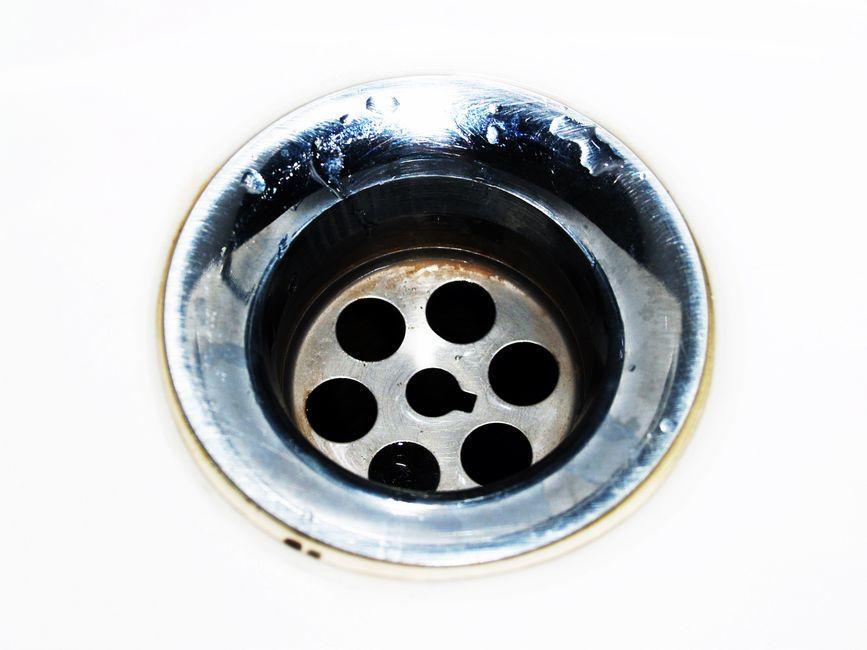

Your plumbing system usually stays invisible until it interrupts your day. One slow drain, a damp cabinet base, or an unexpected spike in your water bill can quickly turn into an unplanned repair. Moisture, mineral buildup, and regular system use gradually put pressure on household fixtures and pipes. Without consistent attention, minor wear can develop into leaks, blockages, and costly damage. A few practical maintenance habits can help prevent these problems and keep your plumbing system working reliably.
Table Of Content
- Your Plumbing System Ages in Ways You Don’t Always See
- The Warning Signs You Should Never Brush Off
- Why Preventive Service Often Costs Less Than Reactive Repair
- Every Fixture in Your Home Has Its Own Maintenance Needs
- Seasonal Habits Can Reduce Stress on Pipes and Drains
- Know What You Can Handle and When to Call a Professional
- A Well-Maintained Plumbing System Protects More Than Your Pipes
Your Plumbing System Ages in Ways You Don’t Always See
Most homeowners notice their plumbing only when a fixture stops working. The bigger challenge is identifying gradual deterioration before it causes damage. Pipe joints can loosen over time, shut-off valves can become difficult to operate, and water heaters can lose efficiency long before they stop functioning.
That hidden decline matters because plumbing problems rarely affect only the pipe or fixture where they begin. A small leak behind a wall can damage drywall, trim, and insulation. If moisture remains trapped, it can also contribute to mold growth and indoor air quality concerns. What begins as an occasional drip may eventually require extensive restoration.
Daily use creates additional wear. Hot water cycles put stress on fittings, soap residue gradually narrows drain lines, and sediment can accumulate inside water heaters. Plumbing systems often show warning signs before a major failure occurs. Recognizing those signals gives homeowners an opportunity to respond early.
The Warning Signs You Should Never Brush Off
Many plumbing problems begin with symptoms that seem too minor to deserve attention. A faucet that sputters may indicate trapped air or inconsistent water pressure. A toilet that refills without being flushed could have a faulty flapper or fill valve, allowing water to escape continuously. Slow drainage in several fixtures may point to a developing blockage deeper in the plumbing system.
Odors deserve attention as well. A musty smell beneath a sink can indicate moisture around a drain trap or supply connection. Sewer-like odors near drains may result from a dry trap or a venting problem. Either way, persistent smells should be investigated rather than covered up with air fresheners.
Your water bill can provide another useful warning. If household habits have not changed but monthly consumption suddenly increases, an undetected leak may be responsible. Comparing several months of usage can help distinguish an unusual increase from normal seasonal variation. Arranging plumbing maintenance services can help homeowners identify developing problems before they lead to water damage or unexpected repair costs. A professional inspection can assess exposed pipes, fixture performance, pressure conditions, and other parts of the system that may be difficult to evaluate without the right equipment.
Why Preventive Service Often Costs Less Than Reactive Repair
Emergency plumbing calls can be more expensive than scheduled maintenance. The final bill may include after-hours labor, urgent parts sourcing, cleanup, and repairs to surrounding materials affected by a leak or backup.
Preventive inspections offer a more controlled alternative. A qualified plumber can examine exposed supply lines, test water pressure, check valves, evaluate drainage, and identify corrosion or early signs of failure. Addressing these concerns before they become emergencies can reduce the likelihood of expensive secondary damage.
Maintenance also helps homeowners plan their spending. Instead of reacting to an unexpected breakdown, you can prioritize repairs, discuss replacement timelines, and address smaller issues as part of a manageable home maintenance budget.
No inspection can guarantee that a plumbing emergency will never happen. However, regular attention makes it easier to recognize developing problems and respond before they become more disruptive. The EPA’s home maintenance guidance offers practical advice on monitoring leaks, checking water pressure, and maintaining common water-using fixtures.
Every Fixture in Your Home Has Its Own Maintenance Needs
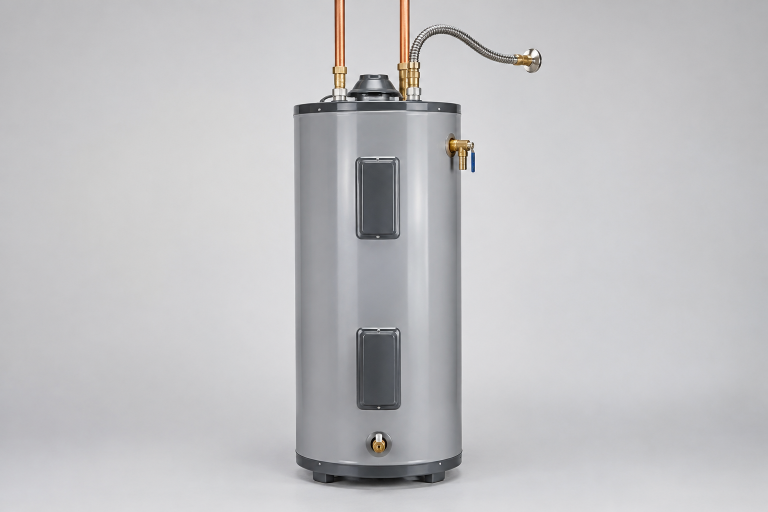
Not every plumbing component wears out for the same reason. Water heaters, for example, can struggle with sediment accumulation. Deposits inside the tank may reduce heating efficiency and contribute to unusual rumbling sounds during operation. Periodic flushing can help manage buildup, although the appropriate schedule depends on the equipment, water quality, and manufacturer’s instructions.
Faucets and showerheads commonly develop mineral scaling, inconsistent flow, or cartridge wear. Toilets can waste water because of deteriorating flappers, faulty fill valves, or leaks around their bases. These problems may continue unnoticed when homeowners do not regularly inspect the fixtures.
Kitchen plumbing has its own challenges. Grease, food particles, and soap residue can gradually restrict drain pathways. A garbage disposal does not eliminate the need for careful drain use, and pouring cooking grease down the sink can contribute to blockages.
Treating these fixtures as parts of one connected system makes maintenance more effective. A small issue in one area can affect water use, drainage, or the performance of connected components elsewhere.
Seasonal Habits Can Reduce Stress on Pipes and Drains
Plumbing demands can change throughout the year. Holiday cooking, visiting family, school breaks, and periods of increased household activity all place additional pressure on sinks, toilets, and hot water systems. More frequent use creates more opportunities for clogs, leaks, and equipment wear.
A practical seasonal routine does not need to be complicated. Check beneath sinks for moisture, inspect visible supply lines for corrosion, and make sure accessible shut-off valves operate properly. Clean drains carefully and avoid relying on harsh chemical cleaners that may damage certain pipes or fixtures.
After heavy rainfall, pay attention to drainage and any unusual moisture around the property. Changes in ground saturation can sometimes reveal existing drainage weaknesses or contribute to problems around older underground lines. If water begins backing up or draining unusually slowly, investigate the cause rather than repeatedly using chemical treatments.
The goal is not to create an exhausting checklist. It is to notice changes in your home’s plumbing demands and respond before a small concern develops into a larger problem.
Know What You Can Handle and When to Call a Professional
Homeowners can take several useful steps without attempting complicated repairs. Monitor changes in water pressure, inspect visible pipes, listen for toilets that continue running, and learn where the main water shut-off valve is located. Knowing how to stop the water supply can limit damage if a pipe or fixture begins leaking.
However, some problems require professional diagnostics. Persistent low pressure, recurring drain backups, discolored water, and unexplained moisture behind walls may indicate conditions that are not visible from the surface. Treating only the symptom can leave the underlying issue unresolved.
A licensed plumber can evaluate system performance by examining pressure behavior, valve condition, drainage, and appliance connections. Professional attention is particularly important when a problem keeps returning or involves concealed pipes. Good maintenance is not about doing every repair yourself. It is about recognizing when specialist knowledge and equipment are necessary.
A Well-Maintained Plumbing System Protects More Than Your Pipes
Plumbing affects much more than water delivery and drainage. Its condition can influence property value, utility efficiency, and the materials surrounding fixtures and pipes. An unnoticed leak can damage cabinets, flooring, paint, and subflooring. If water spreads into concealed areas, the resulting repair can become considerably more involved.
Reliable plumbing also supports everyday comfort. Consistent water pressure, dependable hot water, and freely flowing drains help a household function without unnecessary interruptions.
Homeowners can also consider leak-detection devices as an additional layer of protection, particularly around appliances, water heaters, and other areas where leaks may go unnoticed. The EPA’s guide to leak detection and flow monitoring devices explains how these systems can alert homeowners to unexpected moisture or unusual water use.
Ultimately, preventing expensive plumbing problems comes down to paying attention. Inspect visible components, respond to unusual sounds and odors, monitor water consumption, and arrange professional maintenance when needed. Small actions taken consistently can help protect your home from avoidable damage and make long-term maintenance costs easier to manage.







1 thought on “The Hidden Cost of Neglect: How to Prevent Plumbing Problems Before They Get Expensive”