

When you plan a trip, you probably think about flights, rooms, weather, and what to do when you get there. Your mental state usually gets pushed to the background. That can be a mistake. Travel can support your wellbeing, but it can also expose stress you barely notice at home. If you want a break that actually leaves you feeling better, it helps to understand how travel affects your mood, energy, focus, and emotional balance.
Table Of Content
- Travel changes your mental rhythm before you even leave
- Restorative travel is different from packed travel
- Your environment can either regulate you or overload you
- Knowing the language of mental wellbeing helps you travel better
- Group trips can be fun, but they test your emotional habits
- Nature-based stays often support better mental reset
- The best post-trip feeling comes from carrying habits home
Travel changes your mental rhythm before you even leave
Your mind starts reacting to travel long before the holiday begins. Anticipation can boost your mood, but logistics often pull in the opposite direction. Price checks, visa rules, packing decisions, and group coordination create cognitive load. Even a short weekend away can feel mentally crowded before you step out the door.
That matters because stress doesn’t always look dramatic. It often shows up as irritability, poor sleep, doom-scrolling, or snapping at people while trying to organize simple details. If you’ve ever felt weirdly exhausted before a trip you were excited about, that’s not overreaction. It’s your nervous system handling uncertainty and constant decision-making.
A smarter approach starts with reducing friction. Book earlier than feels necessary. Save confirmation emails in one folder. Build a realistic schedule instead of an ambitious one. If your trip begins in chaos, your brain often carries that chaos with you.
Restorative travel is different from packed travel
A lot of people return from vacation needing recovery from the vacation itself. That usually happens when every day is over-programmed. You try to maximize value, see everything, eat everywhere, and document all of it. The result can feel productive, but not especially restorative.
If your goal includes better mental wellbeing, your itinerary needs white space. That means time with no target attached. A slow breakfast. A walk without a map. An afternoon where nothing is booked. Those gaps give your brain room to downshift from task mode into actual rest.
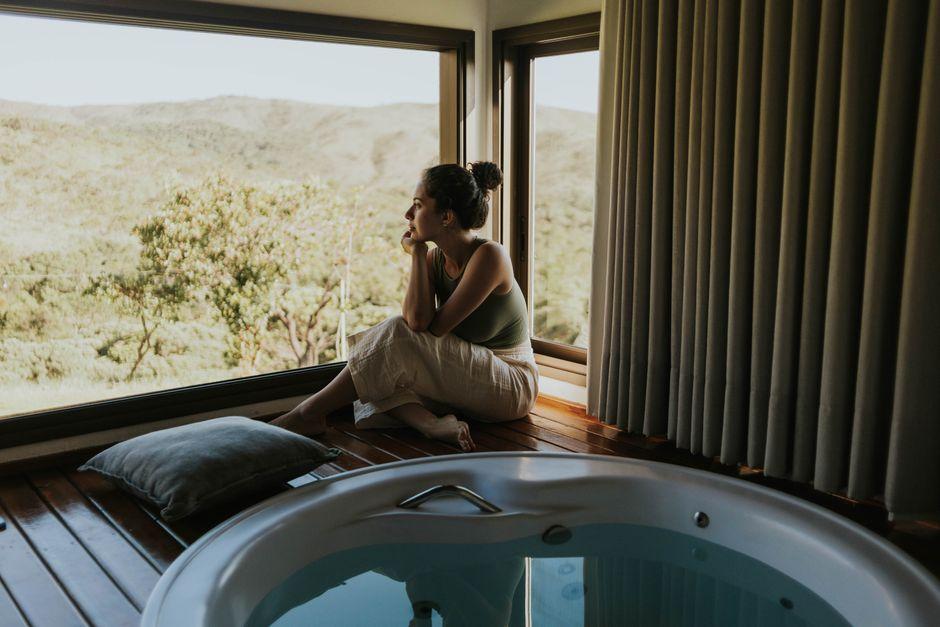
This is especially relevant when you’re staying somewhere designed for slower living, such as a coastal guesthouse, a bush retreat, or a mountain cabin. Settings like these often work best when you let the environment do some of the work. You don’t need to turn every location into a checklist challenge.
Your environment can either regulate you or overload you
Where you stay shapes how you feel more than most people admit. Noise levels, light exposure, crowd density, and even room layout affect emotional regulation. A beautiful property with constant traffic noise may leave you overstimulated. A simpler place with fresh air, walkable surroundings, and quiet nights may help you settle faster.
Think about your actual needs, not just aesthetics. If you’re already burned out, a nightlife-heavy district may not be the reset you imagine. If social energy drains you, choose somewhere with private outdoor space or easier access to nature. If you sleep lightly, check reviews for sound issues before booking.
This is where travel planning gets more personal and more useful. You’re not only choosing a destination. You’re selecting sensory conditions. That choice can support better sleep, lower stress reactivity, and a more stable mood across the trip.
Knowing the language of mental wellbeing helps you travel better
You don’t need a clinical background to understand what’s happening in your head while traveling. Learning a few mental health terms can make your experience easier to interpret. Words like anxiety, burnout, triggers, dysregulation, and emotional resilience give you a clearer way to notice patterns instead of just saying you feel off.
That kind of vocabulary is useful on the road. If you can tell the difference between ordinary fatigue and overstimulation, you make better decisions. You might skip a late-night activity, take a quiet morning, or change your environment before stress snowballs. Clear language also helps when you’re traveling with other people. Saying “I’m getting overstimulated and need an hour alone” works far better than picking a fight over nothing.
Group trips can be fun, but they test your emotional habits
Traveling with friends, family, or a partner often brings out patterns you don’t see at home. One person wants spontaneity, another wants structure. One needs downtime, another sees rest as wasted time. Small disagreements about food, timing, or budgets can turn personal fast.
A lot of these blowups aren’t really about the plan. They’re about unmet needs, stress thresholds, and communication gaps. You can prevent much of that by setting expectations early. Talk about pace, budget ceilings, alone time, sleeping arrangements, and how decisions will be made.
It also helps to normalize separation. You do not need to spend every hour together to have a successful group trip. Independent time often lowers tension and gives everyone space to reset. Emotional maturity on holiday looks less like constant harmony and more like fewer avoidable conflicts.
Nature-based stays often support better mental reset
There’s a reason people feel different after a few days near the ocean, in the bush, or somewhere with open skies. Natural settings reduce constant urban input. Less traffic, fewer alerts, and more visual calm can lower mental fatigue. Your attention stops getting pulled in ten directions at once.
That doesn’t mean nature is a cure-all. You can still feel anxious in a beautiful place. But many travelers find that outdoor environments make it easier to regulate sleep, breathe more deeply, and spend less time in digital overdrive. Even basic activities—walking, swimming, sitting outside at sunrise—can help restore a sense of steadiness.
If you’re browsing places to stay, look beyond décor shots. Check whether the property offers quiet surroundings, easy outdoor access, and enough comfort to help you slow down. Mental reset usually comes from conditions, not just scenery.
The best post-trip feeling comes from carrying habits home
A good trip can improve your mood for a while, but the deeper value shows up when you notice what helped and keep part of it. Maybe you slept better without late-night screen time. Maybe daily walks improved your focus. Maybe less noise and fewer decisions made you calmer than you’ve felt in months.
Treat that as data. Your holiday can reveal which habits support your mental wellbeing in ordinary life. You may not be able to recreate the destination, but you can borrow pieces of the rhythm. Protecting quiet mornings, simplifying weekends, spending more time outdoors, or booking fewer back-to-back commitments can make home feel less mentally cluttered.
Travel works best when it gives you more than photos and a temporary escape. It can also show you how you function when your mind has enough space, and that insight is often the most valuable souvenir you bring back.