
The exterior of a home creates the first impression, but its importance goes beyond appearance. Exterior walls help protect the property from changing weather, moisture, sunlight, and everyday environmental wear. Choosing the right finish can improve the overall look of a house while making its exterior easier to maintain. With modern materials and designs available, homeowners have more ways to create an outdoor space that feels welcoming and reflects their personal style.
Table Of Content
- Why Exterior Wall Design Matters
- Understanding the Different Types of Exterior Panels
- The Appeal of WPC Wall Panels
- Real Wood for a More Natural Exterior
- Choosing Colors and Profiles That Suit Your Home
- Planning for Proper Installation
- Considering Maintenance and Long-Term Value
- Creating an Exterior That Lasts
One option worth considering is the range of exterior wall panel options for homes available today. These panels can add texture, warmth, and visual interest to outdoor walls without relying on traditional finishes alone. Whether used across an entire facade or as a feature on a smaller section, they offer a practical way to update the appearance of a property.
Why Exterior Wall Design Matters
Exterior walls are exposed to conditions that indoor surfaces rarely experience. Rain, humidity, strong sunlight, wind, and changes in temperature can gradually affect the materials used on a home’s facade. Paint may fade or peel, while some types of natural timber require regular treatment to maintain their appearance.
A well-chosen wall finish helps address these concerns while contributing to the property’s overall design. It can make a simple exterior look more detailed, highlight architectural features, and create a stronger connection between the house and its surroundings. The right material should therefore balance appearance, durability, and the amount of maintenance a homeowner is prepared to handle.
Understanding the Different Types of Exterior Panels
Exterior wall panels come in different materials, profiles, and finishes. Each has its own qualities, so understanding the options can make the selection process easier.
Wood-plastic composite, commonly known as WPC, is one option for homeowners who like the appearance of timber but want a material designed for outdoor conditions. It combines wood fibers with polymer to create a composite product. Depending on its construction and protective finish, WPC can offer resistance to moisture and sunlight while requiring less upkeep than conventional wood.
Natural wood cladding is another choice for people who prefer genuine wood grain and natural variation. Its appearance can bring warmth and character to a facade. However, untreated or unsuitable wood may need regular sealing, staining, or other care to help it withstand outdoor exposure.
Other exterior finishes, including fiber cement, metal, and stone-look panels, can suit different architectural styles. Fiber cement is often selected for its solid appearance and durability, while metal can create a clean, contemporary finish. Stone-inspired surfaces can add depth and a more traditional feel without necessarily using full stone construction.
The Appeal of WPC Wall Panels
WPC panels have become a practical option for exterior design because they combine a wood-inspired appearance with the benefits of an engineered material. Their wood-grain textures can create a warm look on outdoor walls, while their composite construction is designed to handle exposure to the elements.
Some modern WPC products also include protective outer layers that help limit moisture absorption, fading, and surface staining. These features can reduce the need for frequent refinishing. However, performance varies between manufacturers, so it is important to check the product specifications, warranty, and recommended installation method before making a decision.
Color is another reason homeowners consider this material. Finishes such as white oak, walnut, and matte black can create noticeably different effects. Lighter tones may help an exterior feel open and relaxed, while darker panels can provide contrast around entrances, windows, or outdoor entertaining areas.
Real Wood for a More Natural Exterior
For homeowners who value the appearance and feel of genuine wood, natural wood cladding remains an appealing choice. Each board has its own grain pattern and color variation, giving the finished wall a less uniform appearance than many manufactured alternatives.
Some products use thermal modification to improve the suitability of real wood for outdoor applications. This process uses controlled heat and steam to change the wood’s properties without relying on chemical preservatives. Thermally modified wood can offer improved dimensional stability and reduced moisture absorption compared with untreated wood.
Real wood still changes over time. Depending on the species, finish, and exposure, it may gradually develop a silver-gray appearance. Homeowners who prefer to preserve its original tone may need to apply a suitable UV-protective oil as recommended by the manufacturer.
Choosing Colors and Profiles That Suit Your Home
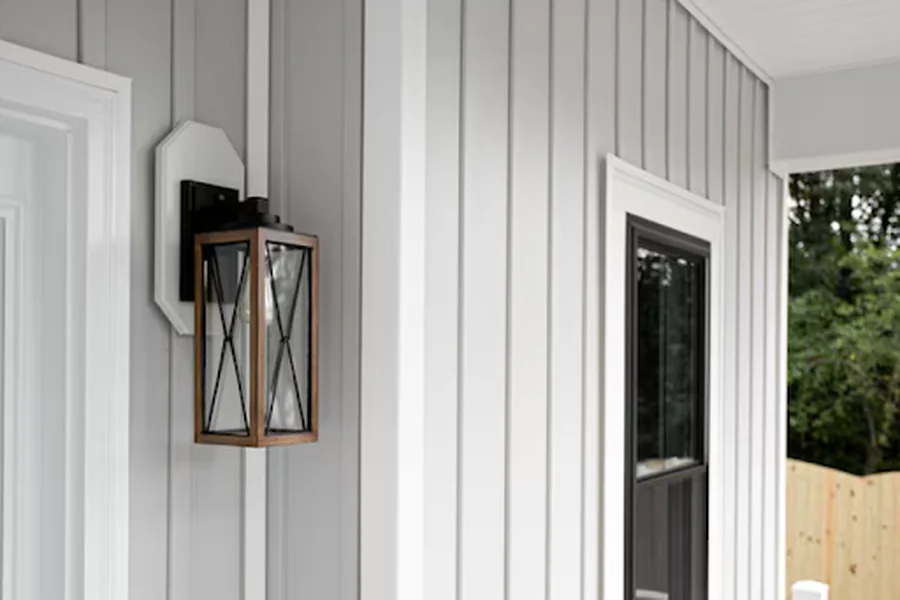
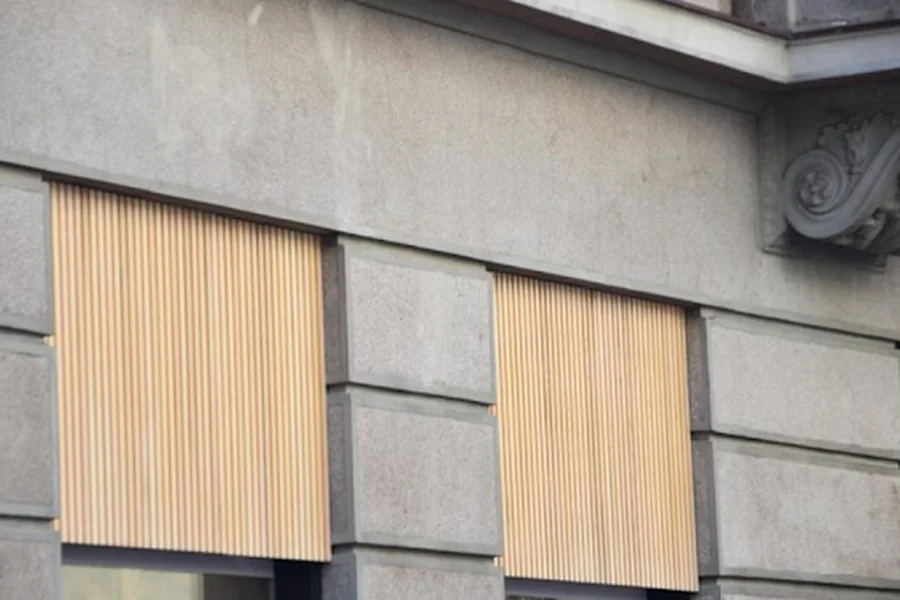
The color and profile of exterior panels can influence the character of a property. Horizontal lines may make a building appear wider, while vertical slats can draw the eye upward and emphasize height. The choice depends on the proportions of the house and the effect the homeowner wants to create.
A wood-inspired finish can complement gardens, wood doors, and natural landscaping. Matte black panels may work well with modern architecture, particularly when paired with neutral walls and simple exterior lighting. White oak tones can create a softer appearance that suits both contemporary and traditional homes.
It is also worth considering how the panels will look alongside existing materials. Roof colors, window frames, paving, and boundary walls all contribute to the overall appearance. Requesting samples can help homeowners compare finishes in natural daylight before committing to a larger installation.
Planning for Proper Installation
Even a durable panel may not perform as expected if it is installed incorrectly. Exterior wall systems need suitable support, secure fasteners, and enough space for moisture to drain or air to circulate when the product requires it.
Many outdoor panel systems are fitted over battens attached to the wall. This creates a supporting structure and can provide a gap behind the panels. The exact spacing, fasteners, and installation details should follow the manufacturer’s instructions and account for the condition of the existing wall.
Accurate measurements are equally important. Homeowners should account for windows, doors, corners, and other features before calculating the quantity of material required. Allowing for cutting and fitting can also help avoid delays caused by ordering too little.
For larger projects or walls with existing moisture damage, it is sensible to consult an experienced installer. The underlying wall should be checked, and any drainage or waterproofing concerns should be addressed before new panels are fitted.
Considering Maintenance and Long-Term Value
The initial cost is only one part of choosing an exterior wall finish. Homeowners should also consider cleaning, maintenance, replacement, and expected service life. A lower-cost material may require more frequent attention, while a more specialized product could offer easier upkeep over time.
WPC panels generally need occasional cleaning, although care instructions differ between products. Real wood may require periodic treatment if maintaining its original color is important. Other materials also have specific cleaning and maintenance requirements that should be understood before installation.
It is worth checking product warranties carefully, including what they cover and whether particular installation or maintenance conditions apply. These details help homeowners make a decision based on realistic expectations rather than appearance alone.
Creating an Exterior That Lasts
Updating exterior walls is an opportunity to improve the appearance and practicality of a home at the same time. The best panel choice depends on the property’s design, local weather conditions, budget, and preferred level of maintenance. By comparing materials, checking product specifications, and planning the installation properly, homeowners can create an exterior that suits their needs and remains attractive over the years.
Modern exterior panels offer a range of ways to bring texture and character to outdoor spaces. With careful selection, they can help turn an ordinary facade into a more distinctive and welcoming part of the home.