

Table of Contents
-
Why Wine Storage Matters
Table Of Content
- Table of Contents
- Why Wine Storage Matters
- The Conditions Wine Needs
- Temperature and light
- Humidity, vibration, and air quality
- How to Choose a Storage Space
- The Best Bottle Position
- Storage Plans for Small Collections
- Storage Plans for Larger Collections
- How to Organize and Track Bottles
- Common Wine Storage Mistakes
- A Simple Seasonal Storage Checklist
- Final Thoughts
-
The Conditions Wine Needs
-
How to Choose a Storage Space
-
The Best Bottle Position
-
Storage Plans for Small Collections
-
Storage Plans for Larger Collections
-
How to Organize and Track Bottles
-
Common Wine Storage Mistakes
-
A Simple Seasonal Storage Checklist
Wine storage in Hayward, California calls for a practical approach. Bay Area homes can have limited closet space, bright afternoon light, and rooms that warm up quickly during heat events. Whether you keep a few bottles for dinner or are building a collection for future celebrations, protecting wine starts with choosing a stable place for it to rest.
For bottles you expect to hold for months or years, investing in a climate-controlled storage solution, such as those in Hayward, can provide a more consistent environment than a kitchen shelf, garage, or spare room. The right choice depends on the number of bottles you own, their value, and when you plan to drink them.
Why Wine Storage Matters
Wine changes over time, and its surroundings influence that process. Heat, direct light, vibration, odors, and repeated temperature swings can all work against a bottle’s flavor and condition. A bottle purchased for a weekend meal may be fine in a suitable cabinet for a short period. A case held for an anniversary, however, deserves more deliberate planning.
Most wines are intended to be enjoyed relatively young, so long-term storage is not automatically necessary. Still, every bottle benefits from avoiding obvious stressors, especially prolonged heat. Good storage is less about creating a showpiece cellar and more about reducing preventable risks before opening day.
The Conditions Wine Needs
The core principles are straightforward: maintain a reasonably cool, stable temperature; limit light exposure; avoid frequent vibration; and keep bottles away from strong odors. The major factors affecting wine in storage include temperature, humidity, and light, which makes them useful priorities when evaluating any area of a Hayward home.
Temperature and light
Steady conditions usually matter more than chasing one exact temperature. Avoid locations that become hot in the late afternoon, such as a sunny room, an upper cabinet, an attic, or a garage. Direct sunlight and strong artificial light are also poor companions for bottles being saved, particularly those in clear or pale glass.
Humidity, vibration, and air quality
Extremely dry air can be a concern for natural cork closures, while very damp spaces can damage labels, cartons, and shelving. Wine should also stay away from washing machines, loud mechanical equipment, and areas with frequent movement. Keep cork-sealed bottles apart from paint, fuel, cleaning chemicals, and other persistent odors.
How to Choose a Storage Space
Before buying a rack or cabinet, assess the space you already have. A dark interior closet can be a better short-term option than a visually appealing rack near a window. Walk through this quick review:
-
Check whether the area becomes noticeably warmer at different times of day.
-
Look for windows, direct sun, heaters, appliances, and air vents.
-
Watch for leaks, condensation, pests, and strong household smells.
-
Measure the usable wall, shelf, or floor area before ordering equipment.
-
Make sure bottles can be reached without shifting an entire stack.
Kitchens are convenient but often experience heat and activity. Garages can be challenging because conditions fluctuate. A basement or interior closet may be more suitable if it stays dry, dark, and comparatively stable throughout the year.
The Best Bottle Position
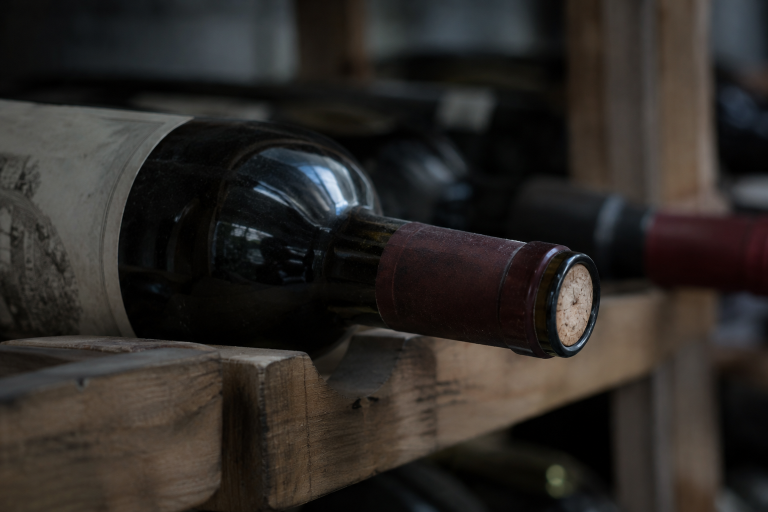
Bottles with natural corks are commonly stored horizontally so the wine remains in contact with the cork. Screw-cap bottles do not need side storage for that reason, although storing them horizontally can still make efficient use of rack space. Whatever the closure, arrange the bottles so that one can be removed without disturbing the neighboring bottles.
Leave enough room to read labels, examine capsules, and notice seepage or damage. This simple access rule prevents a collection from becoming an unsearchable pile of bottles.
Storage Plans for Small Collections
For fewer than 12 bottles, a dark, interior location away from heat may be enough for everyday wine. Between 12 and 50 bottles, a compact wine cabinet can add consistency and make organization easier. A small rack can also work when it sits well away from sunlight, stoves, and appliance exhaust.
Separate ready-to-drink bottles from bottles you are deliberately saving. That division makes weeknight choices easier and reduces unnecessary handling of wines intended for later.
Storage Plans for Larger Collections
Once a collection passes roughly 50 bottles, capacity and access become central concerns. A home cellar, temperature-controlled cabinet, or professional off-site arrangement can each be appropriate. Start with an inventory, then choose storage that leaves room for new purchases without overcrowding.
When comparing off-site options, ask about access hours, delivery receiving procedures, bottle retrieval, security, insurance responsibilities, and inventory records. Extra space is valuable because it keeps bottles visible and reduces unnecessary movement.
How to Organize and Track Bottles
An organized collection protects both wine and budget. Record the producer, wine name, vintage, bottle size, purchase date, location, and intended drinking period. Keep receipts and delivery records for bottles with higher replacement value, then review the list every few months.
A basic inventory can be kept in a notebook or spreadsheet:
|
Bottle |
Vintage |
Quantity |
Location |
Drink Period |
|---|---|---|---|---|
|
Cabernet Sauvignon |
2021 |
3 |
Rack A, Row 2 |
2026 to 2029 |
|
Chardonnay |
2023 |
2 |
Cabinet, Top Shelf |
2026 to 2027 |
Common Wine Storage Mistakes
-
Keeping bottles above a refrigerator or beside a stove.
-
Leaving wine in a hot car, attic, garage, or sunny room.
-
Buying a cabinet without checking ventilation and clearance needs.
-
Stacking bottles so tightly that labels and closures cannot be inspected.
-
Assuming every wine improves with extended aging.
-
Forgetting to update records after opening, gifting, or moving bottles.
A Simple Seasonal Storage Checklist
At the start of each season, check the storage area for unusual warmth, leaks, condensation, dust, pests, and odors. Inspect bottles for damaged labels, displaced corks, or signs of seepage. Move ready-to-drink selections to an accessible spot, update the inventory, and confirm that the collection still has sufficient room.
Following practical guidance on temperature, humidity, light, vibration, and bottle position can help owners make sensible adjustments before conditions cause problems. The principles in this practical guide to storing wine are especially useful when deciding whether a household space is still suitable as the collection grows.
Final Thoughts
Wine storage does not need to be complicated. For Hayward collectors, a cool, dark, stable, and organized space can address many common concerns. Match the solution to your collection size, expected storage time, and access needs, then review the setup regularly. A little planning now can help every bottle arrive at the table in better condition.