
Choosing the right railing system is an important part of any residential construction or renovation project. Beyond defining the appearance of a space, railings contribute to safety, functionality, and long-term durability. Glass railings have become a popular choice among homeowners, architects, and builders because they offer a clean, contemporary appearance while allowing natural light and maintaining open views.
Table Of Content
- Why Are Glass Railings a Popular Choice for Residential Projects?
- Understanding Different Types of Glass Railing Systems
- Frameless Glass Railings
- Semi-Frameless Glass Railings
- Framed Glass Railings
- Choosing the Right Glass for Residential Railing Applications
- Tempered Glass Railings
- Laminated Glass Railings
- Understanding Glass Panel Thickness
- Essential Components to Check Before Buying
- Where Can You Install Residential Glass Railings?
- Balconies and Terraces
- Decks and Patios
- Staircases
- Pool Surroundings
- Important Factors to Consider Before Purchasing
- How to Maintain Glass Railings for Long-Term Performance
- Why Choose the Right Supplier for Your Residential Project?
However, selecting the right system involves more than choosing an attractive design. Factors such as glass type, panel thickness, installation requirements, hardware quality, and maintenance should all be considered before making a purchase.
This guide explores the key factors to consider when buying Glass Railings for Residential Projects, helping homeowners and construction professionals make informed decisions.
Why Are Glass Railings a Popular Choice for Residential Projects?
Modern residential architecture increasingly focuses on open layouts, natural lighting, and seamless connections between indoor and outdoor spaces. Glass railing systems support these design preferences without compromising the practical purpose of a railing.
Here are some reasons why homeowners and builders consider glass railings for residential applications.
➤ Unobstructed Views: Glass panels provide clear sightlines, making balconies, decks, staircases, and patios feel more spacious.
➤ Modern Appearance: Their minimal design complements contemporary, traditional, and transitional architectural styles.
➤ Natural Light: Unlike solid railing materials, glass allows light to pass through, helping interior and exterior spaces feel brighter.
➤ Design Versatility: Glass railings can be incorporated into different residential areas, including balconies, terraces, staircases, and pool surroundings.
➤ Durable Construction: When properly specified and installed, suitable safety glass and quality hardware can provide reliable long-term performance.
Understanding Different Types of Glass Railing Systems
Before purchasing a railing system, it is important to understand the available designs. Different configurations offer different visual effects, installation requirements, and structural characteristics.
Frameless Glass Railings
Frameless glass railings create a seamless appearance by minimizing visible supporting structures. The glass panels are commonly secured using base channels, spigots, or other suitable mounting systems.
These systems are particularly suitable for homeowners who want uninterrupted views from balconies, decks, and outdoor entertainment areas. Their minimalist appearance also works well with contemporary residential architecture.
Semi-Frameless Glass Railings
Semi-frameless systems use visible posts or selected structural supports while keeping large portions of the glass panels exposed. They offer a balance between a streamlined appearance and a more defined railing structure.
This option may suit projects where homeowners want the transparency of glass but prefer visible support elements as part of the overall design.
Framed Glass Railings
Framed systems incorporate metal frames or supporting structures around individual glass panels. The frame provides a more defined appearance and can complement certain architectural styles.
When comparing these options, consider the architectural style, desired level of transparency, installation conditions, and applicable safety requirements.
Choosing the Right Glass for Residential Railing Applications
Glass selection is one of the most important purchasing decisions. Not all glass products are suitable for railing applications, so buyers should understand the differences between common glass types.
Tempered Glass Railings
Tempered glass is widely used in railing systems because it undergoes a controlled heat-treatment process that increases its strength compared with ordinary annealed glass.
When broken, tempered glass railing typically breaks into smaller granular pieces rather than large, sharp shards. This characteristic makes it a common choice for residential balcony, deck, and staircase railing applications.
Laminated Glass Railings
Laminated glass consists of two or more glass layers bonded together with an interlayer. If the glass breaks, the interlayer helps hold the fragments together.
This construction can be useful in applications where retaining broken glass within the panel is an important consideration. However, the appropriate glass specification depends on the railing design, structural requirements, and local building codes.
Understanding Glass Panel Thickness
Glass thickness directly influences the structural performance, weight, and compatibility of a railing system. Commonly considered thicknesses include 10mm and 12mm, although the correct specification depends on the complete system design.
Before purchasing glass railing panels, consider:
- The height and dimensions of the railing.
- The expected loads and structural requirements.
- The type of mounting and support system.
- Local building codes and safety standards.
- Manufacturer specifications and engineering requirements.
Avoid selecting panel thickness based on appearance or price alone. Always verify that the glass is suitable for the intended application.
Essential Components to Check Before Buying
A glass railing system is made up of more than glass panels. Its supporting hardware plays an important role in stability, alignment, and overall performance.
When evaluating Glass Railing Systems for Homes, pay attention to these essential components.
Glass Railing Spigots: Spigots support glass panels, particularly in frameless railing configurations. Their design and material should be compatible with the selected glass and installation surface.
Glass Clamps: Clamps secure glass panels to supporting posts or other structural elements. Check their compatibility with the glass thickness and railing configuration.
Base Channels: Base channels provide continuous support along the bottom edge of glass panels in suitable railing systems.
Stainless Steel Posts: Posts provide structural support in framed and semi-frameless designs. Their material quality and finish should suit the installation environment.
Handrails and Caprails: Handrails can provide an additional gripping surface, while caprails may protect the upper edge of glass panels and contribute to the overall design.
Choosing compatible components from reliable suppliers helps ensure that all parts work together as intended.
Where Can You Install Residential Glass Railings?
One advantage of glass railing systems is their adaptability to different areas of a home. However, every application has its own design and structural considerations.
Balconies and Terraces
Glass balcony railings help maintain open views while creating a defined protective barrier. They are particularly suitable for elevated balconies and terraces where visibility is an important design feature.
Decks and Patios
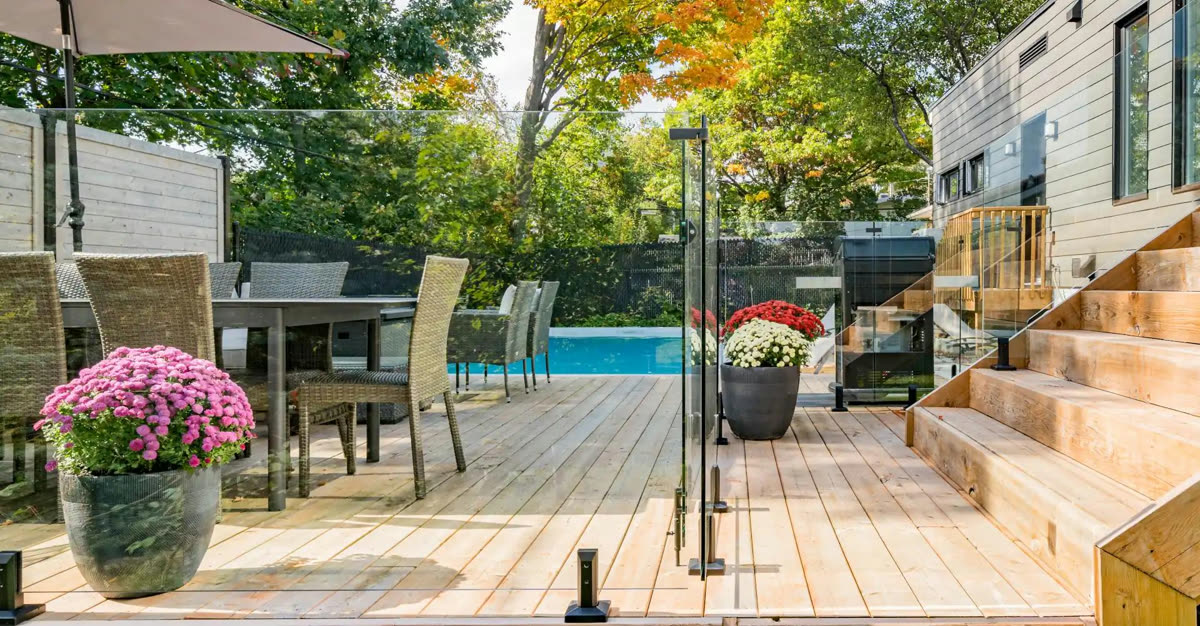
Glass deck railings can complement wooden, composite, and concrete outdoor spaces. Their transparent design allows homeowners to enjoy surrounding gardens and landscapes without visual obstruction.
Staircases
Glass staircase railings create a contemporary look while allowing light to move between different levels of a home. Depending on the design, panels can be installed with posts, clamps, or other suitable support systems.
Pool Surroundings
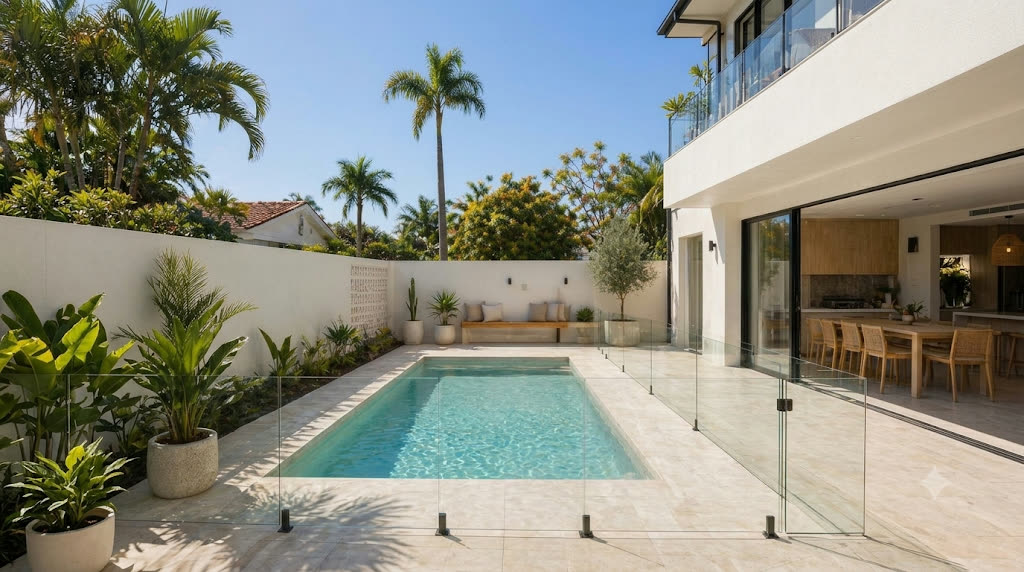
Glass panels are also used around residential swimming pools to maintain visibility across the surrounding area. Pool fencing must meet applicable barrier, gate, and safety requirements.
Important Factors to Consider Before Purchasing
Even when a particular railing design looks appealing, buyers should evaluate several practical considerations before placing an order.
➤ Building Code Compliance: Check local building regulations for railing height, structural loading, glass specifications, opening limitations, and other applicable safety requirements.
➤ Material Quality: Look for appropriately specified safety glass and corrosion-resistant hardware suitable for the installation environment.
➤ Installation Requirements: Confirm whether the system is designed for the available mounting surface, including concrete, wood, steel, or other structural materials.
➤ Maintenance Needs: Consider how frequently the glass and hardware will require cleaning. Glass surfaces may show fingerprints, water spots, and dust, particularly outdoors.
➤ Supplier Reliability: Choose a supplier that provides clear product specifications, compatible components, and helpful information about its railing systems.
➤ Total Project Cost: Compare the complete system cost, including glass panels, hardware, accessories, installation, and any additional structural work.
Taking time to evaluate these factors can help prevent compatibility issues and unexpected expenses during installation.
How to Maintain Glass Railings for Long-Term Performance
Proper maintenance helps preserve the appearance and condition of residential glass railing systems.
Here are a few simple practices to follow:
- Clean glass panels regularly using a suitable glass cleaner and a soft microfiber cloth.
- Remove water spots, dirt, and debris before they accumulate.
- Inspect visible hardware for corrosion, looseness, or signs of wear.
- Check mounting points and connections periodically.
- Follow the manufacturer’s recommendations for cleaning and maintenance.
- Arrange professional inspections if structural damage or movement is noticed.
For outdoor installations, maintenance frequency may depend on weather exposure, nearby vegetation, and environmental conditions.
Why Choose the Right Supplier for Your Residential Project?
The quality of a glass railing installation depends on several connected factors, including the glass specification, hardware compatibility, structural design, and installation quality. Working with a reliable supplier makes it easier to identify products that meet the requirements of your project.
RF Transparent offers glass railing solutions, including frameless glass railing systems, tempered glass panels, stainless steel spigots, clamps, and other railing hardware. Whether you are planning a balcony upgrade, a new deck, or a staircase renovation, exploring suitable products and components can help you plan a functional and visually appealing railing system.
You can explore RF Transparent’s glass railing collection to discover available solutions for residential applications.