
From the initial assessment to treatment planning, an increasing part of modern dentistry can now be supported by digital tools that provide detailed information in a clear and visual format. A scan can create a digital representation of the dental arches, radiographic imaging can help examine structures that cannot be seen during a routine visual examination, and digital planning systems can make it easier for patients to understand what their dentist is assessing.
Table Of Content
- What does digital dentistry actually mean?
- How does an intraoral scanner work and what can it show?
- Why are digital radiography and panoramic imaging useful in dental diagnosis?
- How can an operating microscope support dental treatment?
- What are Facial Scanner and Digital Smile Design?
- How does AirFlow technology support professional dental hygiene?
- How can an integrated digital workflow make dental care easier to understand?
- Why consider Archway when searching for a dentist in Hornsey?
Patients searching for a dentist in Hornsey can also consider nearby practices in North London. Archway Dental Group, based at 34 St John’s Way, Archway, London N19 3RR, uses intraoral scanning, digital radiography, panoramic imaging, an operating microscope, Facial Scanner, Digital Smile Design and AirFlow technology. The dental team selects the tools that can help assess a concern, plan treatment or explain the options available to each patient.
What does digital dentistry actually mean?
Digital dentistry uses tools that capture, process or display information about the teeth, mouth and face. Each tool answers a different question. An intraoral scan shows the shape and position of the teeth, an X-ray helps assess structures outside direct view, and smile planning software can help explore changes to the proportions of a smile.
The dentist combines these records with the clinical examination, symptoms and medical and dental history. Which tools are useful depends on the reason for the visit and the findings of the assessment.
How does an intraoral scanner work and what can it show?
The dental professional moves a small handheld scanner around the dental arches while the system builds a three-dimensional model of the teeth. In suitable cases, this provides a digital impression and can make the process more comfortable for patients who find traditional impression materials difficult to tolerate.
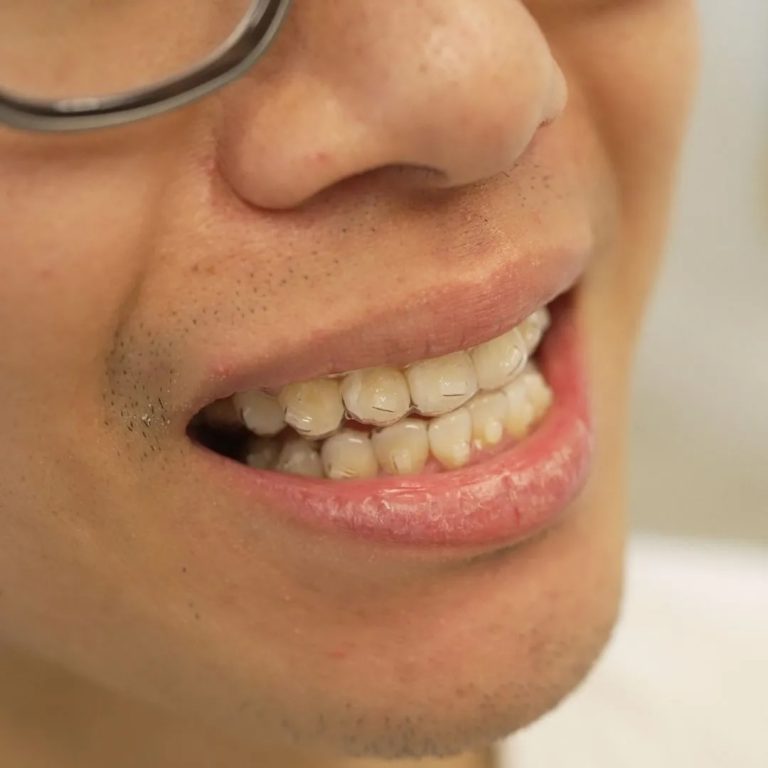
At Archway Dental Group, intraoral scanning can support the planning of clear aligner treatment. Reviewing the model together can also help the dentist show patients how their teeth are positioned and explain what treatment is intended to change. The dentist interprets the scan alongside other clinical findings.
Why are digital radiography and panoramic imaging useful in dental diagnosis?
Some areas between the teeth or beneath the tissues are difficult to assess during a visual examination. Digital radiography helps the dentist investigate these areas and review the images on a screen. Panoramic imaging provides a broader view of both dental arches and surrounding structures.
The dentist chooses the type of imaging according to the clinical question, the patient’s symptoms and history, and the findings of the examination. Reviewing the images in that context helps the dentist decide whether further assessment or treatment is needed.
How can an operating microscope support dental treatment?
An operating microscope gives the dentist a magnified, illuminated view of the treatment area. It can be used during certain procedures, including some forms of endodontic treatment, where the dentist works in small areas and needs to see fine details clearly.
At Archway Dental Group, the dentist decides when magnification can help based on the procedure and the needs of the individual case.
What are Facial Scanner and Digital Smile Design?
A Facial Scanner captures digital information about the face. Digital Smile Design helps the dental team assess the relationship between the teeth, smile and facial features. At Archway Dental Group, these tools can support planning for veneers and other aesthetic treatments.
In suitable cases, a digital preview can help patients discuss the proposed changes before treatment begins. The preview illustrates the treatment goals. The final result depends on the patient’s individual clinical and biological characteristics.
How does AirFlow technology support professional dental hygiene?
AirFlow technology combines air, water and fine powder to help remove plaque and surface staining during professional hygiene appointments. The hygienist decides when to use it as part of a care plan tailored to the patient’s oral health. For example, someone undergoing orthodontic treatment may need a different approach from someone receiving periodontal care.
Professional hygiene appointments complement daily brushing and cleaning between the teeth. The dental team can show patients which areas need more attention and discuss how to care for them at home.
How can an integrated digital workflow make dental care easier to understand?
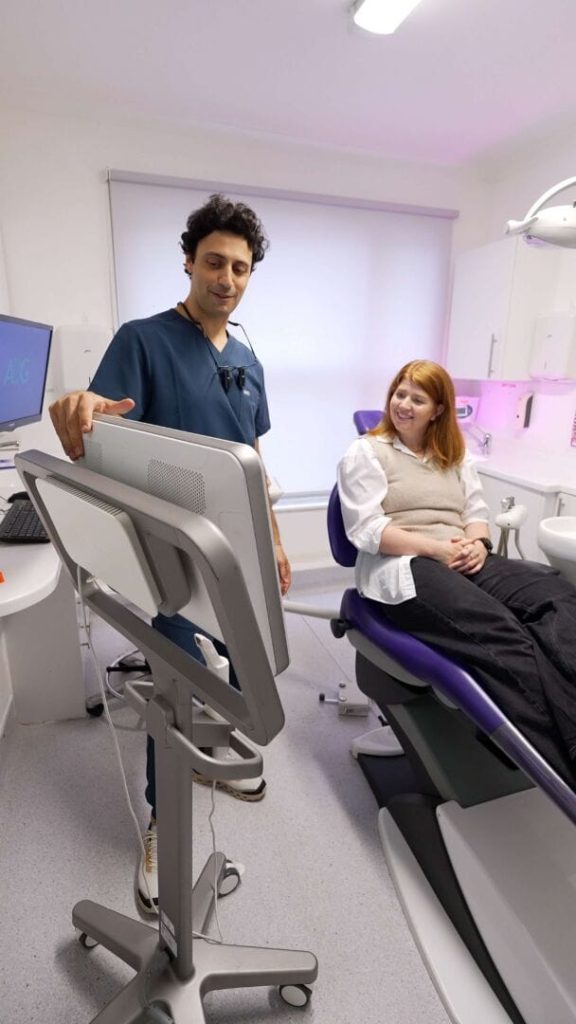
When a scan, X-ray or digital treatment plan is relevant, the dental team can use it during the consultation to show patients what they are assessing and why it matters. A scan can help explain the position of the teeth, while a smile preview can make proposed aesthetic changes easier to discuss.
Using images alongside a clinical explanation gives patients a clearer basis for asking questions about their options and understanding the purpose of each stage of care. The dentist interprets the records and discusses the plan with the patient.
Why consider Archway when searching for a dentist in Hornsey?
If you’re looking for a dentist in Hornsey and are considering practices in neighbouring areas, Archway Dental Group is at 34 St John’s Way, Archway, London N19 3RR. Its multidisciplinary team uses digital tools across different stages of care, from assessment and treatment planning to professional hygiene. During a consultation, the dentist can explain which tools are relevant to your case, what they can show and how the findings inform your treatment options.