
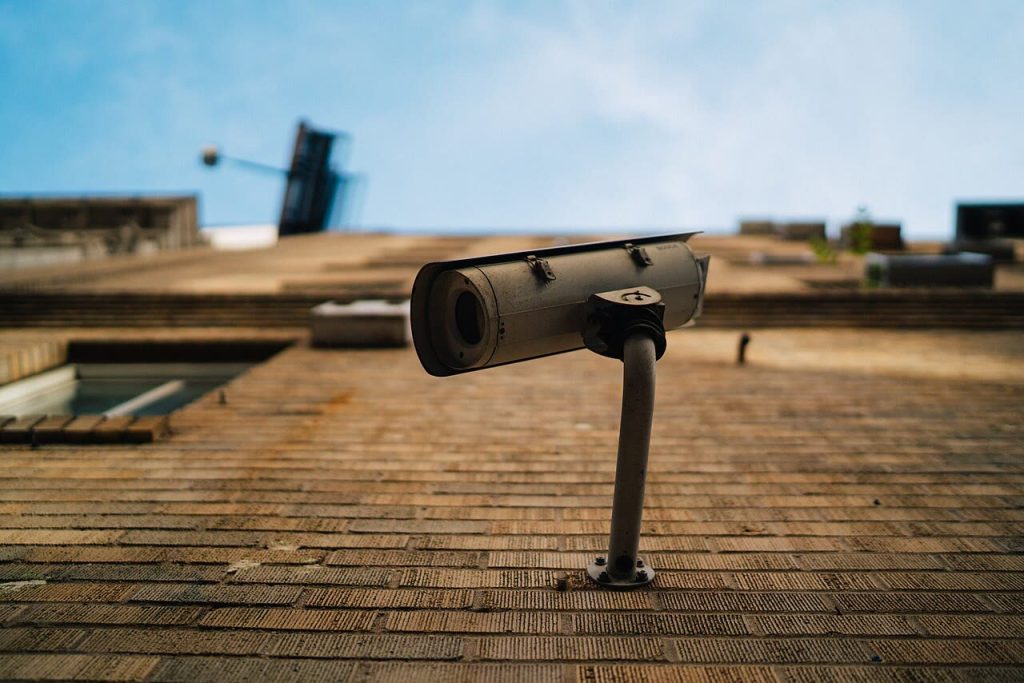

Theft does not announce itself. It happens in the five minutes nobody is watching the floor. That gap is wide, and most businesses never see it close in time. CCTV security systems exist to shut that gap down, fast. A visible camera on a loading dock cuts theft risk more than any warning sign ever will. Retail research has linked clearly visible cameras to shoplifting drops of up to 30 percent within the first year. This is not about catching every single incident. It is about making your business a slower, harder target than the one next door.
Table Of Content
Where Workplace Theft Actually Happens
- Stock rooms and loading docks
- Cash registers during shift changes
- Staff break rooms near lockers
- Delivery entrances after hours
- Parking lots at closing time
Internal Theft Is the Bigger Problem
Most people picture a stranger in a hoodie sneaking in at night. The real numbers tell a different story. Employee theft is widely estimated to cost U.S. businesses more than 50 billion dollars a year, which is more than shoplifting and burglary combined. Cameras near registers and stock areas do not just watch for outsiders. They change behaviour among staff too, simply because people act differently once they know a camera is on them.
Safety Goes Up When Cameras Go Up
Fewer incidents is not the only win here. Workers consistently report feeling safer in parking lots and stairwells once cameras go in, especially on night shifts. A documented camera system also speeds up insurance claims after an accident, since footage settles disputes about what actually happened on the floor instead of leaving it as one person's word against another's.
Camera Placement and What Each Spot Actually Stops
| Location | Main Risk | Camera Benefit |
|---|---|---|
| Loading dock | Inventory theft | Footage matches delivery logs |
| Cash wrap | Till shortages | Timestamp matches register logs |
| Parking lot | Vehicle break-ins | Deters loiterers, aids police reports |
| Stairwells | Slip and fall claims | Clears up liability disputes |
| Break room | Locker theft | Reduces staff-on-staff incidents |
Response Time Beats Footage Quality
A sharp 4K image means nothing if nobody checks it until next week. Real improvement comes from pairing cameras with alerts, so a manager gets a phone notification the second a door opens after hours. This one change turns a camera from a recording device into an actual warning system, and it is the upgrade most businesses skip when they are only shopping on price.
Staff Buy-In Decides Whether a System Works
A camera system installed in secret breeds resentment the moment staff find out. Tell your team where cameras sit and why, in plain terms, before install day. Workplaces that explain the safety reasoning upfront see far less pushback and far more cooperation when footage actually gets reviewed. Hiding a camera in a break room or bathroom also crosses a legal line in most places, so good installers will flat out refuse those requests, and a business should want them to.
Legal Signage Protects the Business Too
Most states require a visible sign telling people a premises is under camera surveillance, and skipping that sign can weaken a case if footage ever ends up in court. A clear sticker near the entrance is cheap, takes two minutes to put up, and closes a legal gap that catches out more business owners than it should. Pair that sign with cameras people can actually see, not hidden ones, since visible cameras do the heavier lifting on prevention anyway.