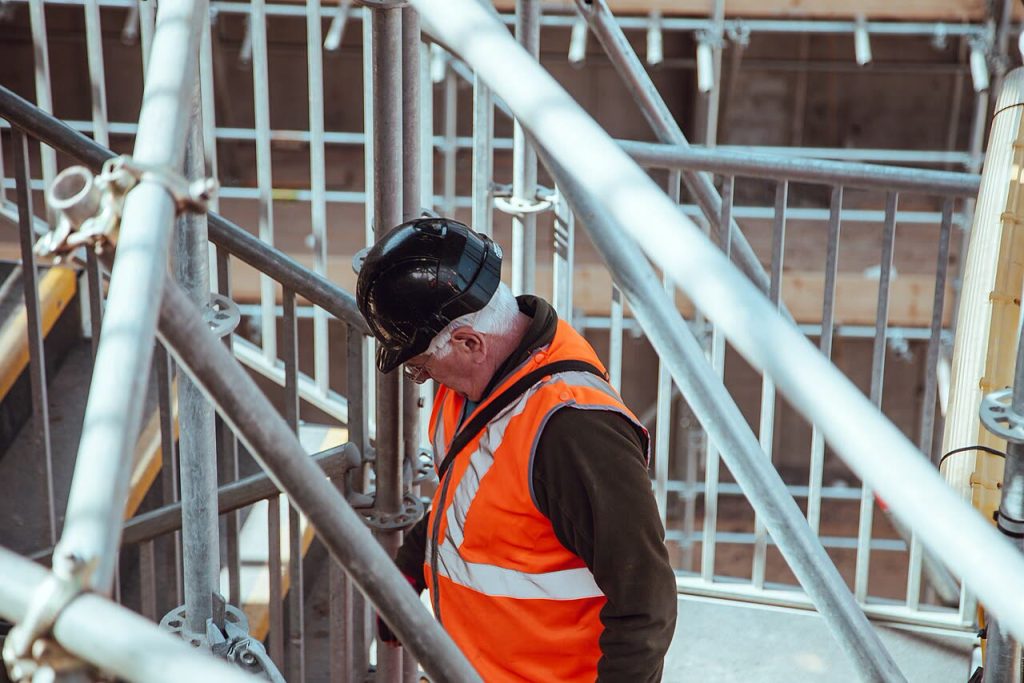

Walk onto a messy construction site and you can tell within thirty seconds if the crew has their act together. Offcuts everywhere. Nails on the ground. A ute that cannot get near the house because rubble blocks the driveway. Reliable skip bin hire Adelaide services fix that mess before it becomes a safety problem, not just an eyesore. A site with one dedicated spot for waste moves faster, because tradies are not stepping over debris every time they carry a sheet of plywood from the truck to the frame. Good bin management is boring. It is also one of the cheapest productivity fixes a builder can make.
Table Of Content
Does a Tidy Site Actually Reduce Injuries?
Yes, and the numbers back it up. Safe Work Australia has pointed to slips, trips and falls as one of the most common injury categories on construction sites for years running. A chunk of those incidents happen because someone stepped on loose material, a dropped nail or a stray offcut of timber. A skip bin positioned close to the work area gives every trade a clear place to dump rubbish as they go, instead of letting it build into a hazard by Thursday afternoon.
| Site Size | Suggested Bin Approach | Swap Frequency |
|---|---|---|
| Small reno, 1 to 3 trades | Single mixed bin on site | Every 1 to 2 weeks |
| Medium build, 4 to 8 trades | Mixed bin plus a metal skip | Weekly |
| Large commercial site | Multiple bins split by waste stream | Twice weekly or as needed |
How Does Waste Organisation Affect the Project Timeline?
Time wasted moving rubbish is time not spent building. A labourer who spends an hour a day clearing debris by hand is an hour short on actual productive work, five hours a week, every single week of the build. Multiply that across a six month project and it is a real dent in the schedule. A properly sized bin, swapped out on schedule, removes that drag entirely.
What a well run site waste setup usually includes:
- A bin sized for the current stage of the build, not the whole project
- A clear, marked drop zone away from foot traffic
- A swap schedule agreed before the job starts
- Separate bins for recyclable material like metal and timber offcuts
Why Does Waste Separation Matter More on Commercial Jobs?
Commercial sites generate more waste faster than a typical home reno, and the mix is wider. Timber, plasterboard, metal studs, packaging, concrete and general rubbish all show up in the same week. Mixing it all into one bin means almost none of it gets recycled. Keeping metal and timber separate from general waste lifts the recovery rate a lot, and South Australia has run one of the country's strongest construction waste diversion records for more than a decade, which only works because sites actually sort their bins properly.
What Happens When Bin Hire Is Not Reliable?
A bin that does not turn up on time, or does not get swapped when it is full, stops a site cold. Crews either dump rubbish on the ground anyway, which brings back the safety problem, or they stand around waiting, which costs the builder real money per hour. Reliability is not a nice to have on a job site. It is part of the actual logistics plan, same as scaffolding or material deliveries.
Where Should the Bin Actually Sit on a Tight Block?
On narrow inner suburban blocks, bin placement decides whether the whole plan works. A bin dropped at the wrong angle can block access for concrete trucks or scaffolding deliveries for the rest of the job. Walking the access route with the hire company before delivery day, rather than after the truck is already stuck at the gate, saves a frustrating reshuffle and keeps the site moving from the first morning.