
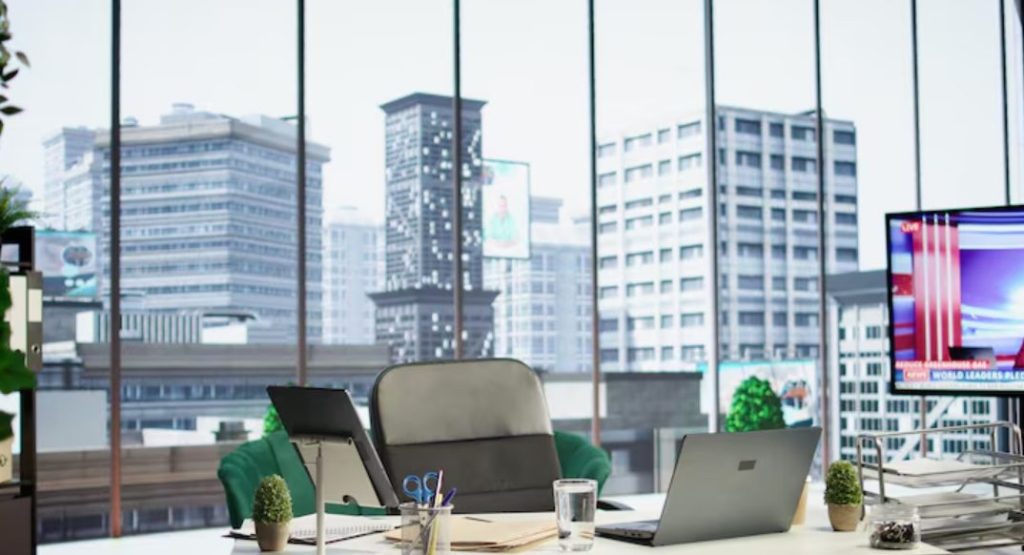

Singapore has established itself as one of Asia’s leading business destinations, attracting multinational companies, financial institutions, technology firms, and growing startups. Its strong infrastructure, reliable transport network, and stable business environment make it an attractive location for organisations looking to establish or expand their regional operations. As companies reassess their workplace requirements, Singapore office rental has become an important consideration for businesses searching for suitable locations, flexible lease arrangements, and facilities that support modern working practices. Understanding the factors influencing the commercial property market can help companies make better decisions when choosing an office space.
Singapore’s Position as a Regional Business Hub
Singapore’s commercial property market benefits from its position as a major centre for finance, trade, technology, and professional services. Many international companies use the city as a base for managing operations across Southeast Asia and other parts of the Asia-Pacific region. This creates demand for office spaces in locations that provide convenient access to clients, business partners, transport links, and essential services.
The Central Business District remains one of the most recognised office locations in the country. Areas such as Raffles Place, Marina Bay, and Tanjong Pagar attract businesses that value proximity to financial institutions, corporate headquarters, and professional networks. These locations often feature premium office buildings with modern facilities and convenient access to public transportation.
However, not every company needs an office in the city centre. Businesses with different budgets and operational requirements may consider locations outside the traditional business district. These areas can offer suitable facilities, convenient transport connections, and rental arrangements that better match their needs.
What Influences Office Rental Prices?
Office rental rates in Singapore are affected by several factors, including location, building quality, available space, and wider economic conditions. Properties in established commercial districts generally command higher rents because of their accessibility and proximity to important business facilities.
The condition and features of a building can also influence its rental value. Grade A office developments often provide modern interiors, efficient building systems, security services, and shared facilities that appeal to larger organisations. Older commercial buildings may offer more affordable options, although businesses should consider maintenance, layout, and available amenities before signing a lease.
Economic activity is another important influence. When multinational companies expand their regional operations or new businesses enter the market, demand for office space may increase. On the other hand, slower economic growth, business restructuring, or reduced hiring can affect how much space companies require.
Government planning and development policies also shape the market. Decisions involving land use, transportation infrastructure, and building standards can influence the availability and attractiveness of commercial properties over time.
How Hybrid Work Is Changing Office Requirements
The growth of remote and hybrid working has changed the way companies evaluate office space. Before these arrangements became common, many businesses relied on traditional offices where employees worked from the same location throughout the week. Today, organisations are more likely to consider how often employees need to be physically present and what activities require shared workspaces.
This shift has encouraged companies to reconsider the amount of space they lease. Some organisations have reduced their office footprint, while others have redesigned existing workplaces to provide more meeting areas, collaboration zones, and shared facilities.
Modern offices are increasingly expected to support activities that are difficult to replicate through online communication. Team discussions, client meetings, training sessions, and creative projects can benefit from face-to-face interaction. As a result, companies may focus less on providing individual desks for every employee and more on creating spaces that encourage communication and teamwork.
Technology also plays an important role in this transition. Reliable internet connections, video conferencing facilities, smart access systems, and modern meeting rooms are now important considerations when choosing commercial premises.
The Growing Demand for Flexible Office Spaces
Flexible workspaces have become an important part of Singapore’s commercial property market. Co-working spaces and serviced offices offer alternatives to traditional long-term leases, allowing businesses to access professional facilities without committing to a large permanent office.
These arrangements can be particularly useful for startups, freelancers, small teams, and companies testing the local market. Instead of leasing an entire office, businesses may rent individual desks, private rooms, or shared facilities according to their requirements.
Established companies can also benefit from flexible arrangements. A business expanding into Singapore may use a serviced office while building its local team or evaluating longer-term property options. Companies with changing workforce sizes may also appreciate the ability to adjust their workspace without relocating to a completely different building.
Although flexible offices can reduce the need for major upfront commitments, they are not always the cheapest option over an extended period. Businesses should compare membership fees, included services, access arrangements, and additional charges before deciding whether this model offers better value than a conventional lease.
Sustainability and the Development of Green Offices
Environmental responsibility has become a growing consideration in commercial real estate. More businesses are paying attention to how their workplaces affect energy consumption, resource use, and employee well-being. This has increased interest in office buildings designed with sustainable features.
Green office developments may include energy-efficient lighting, improved cooling systems, water-saving facilities, and building materials selected to reduce environmental impact. Designs that maximise natural light and improve indoor air quality can also contribute to a more comfortable working environment.
Singapore’s focus on sustainable urban development has encouraged greater attention to building efficiency and environmental standards. Green building certifications can help tenants understand how a property performs against recognised sustainability criteria.
For businesses, choosing an environmentally responsible office can support corporate sustainability goals and strengthen their reputation among employees, clients, and business partners. However, companies should also consider practical factors such as rental costs, building management, and operating expenses when comparing properties.
Changing Workforce Expectations and Office Design
Workforce demographics influence the way businesses select and organise their office environments. Younger employees often place value on workplaces that support collaboration, technology use, and a healthy balance between professional and personal responsibilities. These expectations have encouraged companies to think beyond traditional office layouts.
Modern workplaces may include shared meeting areas, quiet spaces, informal discussion zones, and comfortable common facilities. Such designs give employees different environments depending on the tasks they need to complete.
Accessibility is another important consideration. Offices located near public transport, food establishments, and everyday services can make commuting and daily routines more convenient. Businesses may also consider whether a building provides facilities that support employees with different accessibility needs.
A well-planned office can contribute to employee satisfaction and help organisations create a positive working environment. For this reason, businesses increasingly evaluate how a property supports their workforce rather than focusing only on its location and rental price.
Challenges Facing Singapore’s Commercial Property Market
Despite its strong business environment, Singapore’s office market is not without challenges. Changes in global economic conditions can influence corporate expansion plans and the demand for commercial space. Businesses may delay relocation or reduce their office requirements when facing uncertainty or rising operating costs.
Competition from other regional business centres is another factor. Companies comparing locations may consider operating costs, access to talent, infrastructure, and regulatory conditions across several Asian cities before making a decision.
Land availability and development costs can also affect the commercial property sector. Singapore has limited land, so planning and development decisions play an important role in determining how much office space becomes available and where new commercial buildings are located.
For tenants, these conditions make careful research especially important. A property that appears suitable based on its rental price may not provide the flexibility, facilities, or accessibility required for long-term operations.
Making Better Decisions When Choosing an Office
Finding the right commercial property involves more than comparing rental rates. Businesses should first understand their space requirements, expected workforce size, preferred location, and future expansion plans. These factors can help narrow down suitable properties and prevent unnecessary spending.
Lease terms also deserve careful attention. Companies should review the rental period, renewal conditions, maintenance responsibilities, additional charges, and any restrictions on modifying the space. Seeking advice from experienced commercial property professionals can help businesses understand these details before making a commitment.
It is also useful to visit potential offices in person. Viewing a property allows decision-makers to assess the layout, natural lighting, building condition, surrounding facilities, and commuting convenience. These practical details can have a significant effect on daily operations.
The Future of Singapore’s Office Rental Market
Singapore’s commercial real estate sector will continue to evolve as businesses respond to changing work arrangements, technological developments, and sustainability expectations. Traditional office buildings will remain important, but flexible spaces and modern workplace designs are likely to play an increasingly significant role in meeting different business requirements.
For companies exploring office options, understanding these market dynamics can make the search process more effective. By considering location, rental costs, building quality, employee needs, and future growth, businesses can identify spaces that support both current operations and long-term plans. A well-chosen office is more than a place to work; it can become an important part of a company’s productivity, professional image, and continued growth in Singapore.